Planning an event is only half the problem, the other half is making sure you have actual foot traffic. That’s where marketing matters a lot. In today’s digitally-dependent age, you need to use social media platforms to your advantage and strategically target newer audiences.
To set yourself apart, you need to establish an evidence-backed campaign. In this guide, we’ll go over 6 effective techniques to market your events in 2026.
Use a Phased Strategy
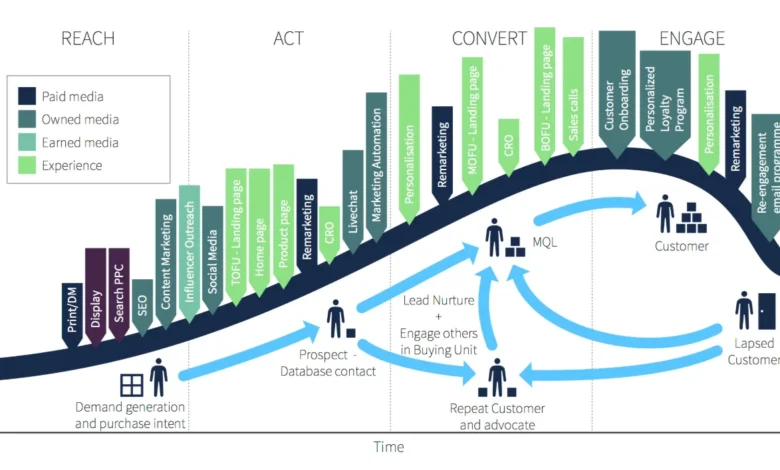
If you wait till the last minute to make important event announcements, the turnout won’t be great. That’s why you need to consistently and strategically phase out event posts so people will remember and RSVP for it. Instead of posting haphazardly, create a well thought-out timeline. Here’s a basic one:
- Awareness: Create your very first impression and don’t over-explain the event. Focus on the basics: who the event is for, what it is, and why it matters.
- Engagement: It’s time to build interest and intrigue. Most of your content should focus on this aspect. Post speaker highlights, BTS footage, and key themes of the event.
- Conversion: Now, propel people to take action. All you need to do is nudge people to RSVP and offer them incentives for signing up early.
- Reminder: The last step is to capture people who’re still contemplating. You can post countdown Instagram Stories, ‘starting soon’ reminders, and last-call messages.
This timeline follows the human nature of decision-making, which is why it works so well.
Create Compelling Visuals
Your marketing visuals should stop people from scrolling further and pique their interest right away. Good design choices can drive more engagement. However, you need to base your design on these three principles: ease of understanding, clarity, and uniqueness. Here are some tips to aid the design process:
- Used a fixed and branded colour palette
- Understand visual hierarchy and arrange headline, tagline, and details accordingly
- Layouts should be consistent
- Don’t overclutter your design with too many fonts (1-2 work best)
- Ensure that the design works well for digital and physical purposes
Every post should be branded and cohesive so it looks like they’re all part of the same campaign. If you’re new to graphic design, use AI poster templates to simplify your workflow and cut down your design time in half.
Build a Landing Page
A landing page is the central hub for all important details regarding your event. If your page is weak, cluttered, or slow, it’ll lead to lesser signups. Here are some essentials that every good page contains:
- Event details: Date, time, location, theme, and pricing
- CTA: “Register now” or “Save your spot today!”
- Social proof: Testimonials, past event photos, and past attendee statistics
Focus on the value of your event, not just information about it. Write actual outcomes of the event. Reduce friction and complexity by compressing images on your website, enable autofilling, optimize for mobile users, and ask for only important details on sign-up forms.
Use Email Marketing
Email marketing is seen as a traditional approach but still yields impressive results in the longer run. The best promotional audience you have is a pre-existing email list. The length, tone, and sequence of emails should feel like a conversation. Here’s how to achieve this:
- Start off with a strong announcement email but keep it focused to central details only
- Segment your list into new subscribers, past attendees, and people who visited your website/signed up but didn’t register for the event
- Add personalized touches whenever possible (use names and reference past events)
- Add clear subject lines
- Optimize for quick actions (add CTA buttons at the end)
- Use an all-in-one event marketing tool
Tip: Your emails should feel distinctly human, so avoid using AI to write text copy. Even if you are, tweak the tone so it doesn’t come across as overly-promotional. Similarly, don’t spam your customers.
Create Urgency
If you’re looking to get people to act sooner, give them a reason to. By highlighting the urgency of signing-up or incentivizing attendees, interest in your event significantly increases. Here’s how to create real urgency that doesn’t feel overly-manufactured or fraudulent:
- Deadlines to sign-up should be mentioned across promotional materials
- Use countdown timers on Instagram Stories, event page, and in reminder emails
- Offer early-bird pricing to motivate customers for early sign-ups
- Reward attendees with bonus content or perks
- Post day-to-day updates on seat availability
Let the deadline do the work. Your job is to post it consistently, not come across as pushy, and post everyday updates regularly through social media posts, emails, and Stories.
Track Your Metrics
Marketing is only as good as your learning from it. It’s important to know what works for you and what doesn’t. Every campaign is an opportunity to pivot, grow, and improve your online strategies. Here’s what to keep an eye on:
- Click-through rates
- Conversion rates
- Cost per sign-up
- Best-performing content
- Identify attendee drop-off points
- Track timing and behaviour
You can always adjust mid-campaign as well. Feel free to change the messaging, swap visuals, or try a different format if the current results are underwhelming.