Depression can be challenging to treat, especially when traditional approaches fall short. TMS therapy in Norwood, MA offers FDA-cleared, non-invasive treatment for individuals struggling with treatment-resistant depression through advanced transcranial magnetic stimulation technology. This innovative approach uses magnetic pulses to stimulate specific brain regions, providing relief without medication side effects.
Norwood residents have access to specialized TMS clinics that combine experienced medical professionals with patient-centered care models. These facilities offer both in-person and telehealth options, making treatment more accessible for those seeking alternatives to conventional antidepressants. The local providers bring decades of combined experience in mental health treatment.
Finding the right TMS provider requires understanding what sets quality clinics apart. This guide explores the leading options in Norwood, examining their treatment approaches, credentials, and commitment to personalized care that addresses individual needs across all aspects of daily life.
Unlocking the Power of TMS Therapy Near Norwood, MA
Transcranial magnetic stimulation represents a significant advancement in mental health care for individuals who haven’t responded to conventional treatments. This FDA-cleared neurotherapy uses magnetic pulses to target specific brain regions involved in mood regulation, offering new hope for those struggling with treatment-resistant depression and other mood disorders.
What Is Transcranial Magnetic Stimulation (TMS)?
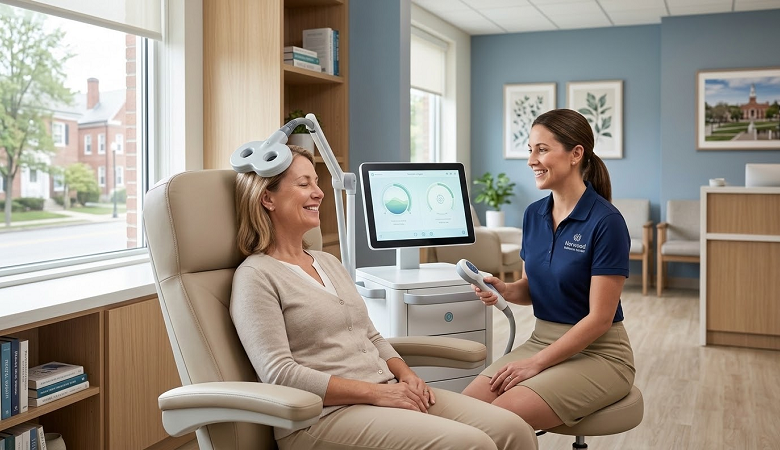
TMS is a non-invasive medical procedure that uses magnetic fields to stimulate nerve cells in the brain. During treatment, an electromagnetic coil is placed against the patient’s scalp near the forehead, delivering focused magnetic pulses to areas of the brain that regulate mood.
The technology works by generating brief magnetic pulses that pass through the skull and induce small electrical currents in targeted brain regions. These currents activate neurons and help restore normal brain activity patterns. Unlike electroconvulsive therapy, TMS doesn’t require anesthesia or sedation.
Each treatment session typically lasts 20-40 minutes. Patients remain awake and alert throughout the procedure, experiencing only mild tapping sensations on the scalp. The standard treatment protocol involves daily sessions five days per week for four to six weeks, though individual plans may vary based on response and clinical needs.
Benefits of TMS Therapy for Depression and Beyond
TMS therapy for depression has demonstrated significant effectiveness for individuals with treatment-resistant depression who haven’t found relief through medication or traditional therapy. Clinical studies show that approximately 50-60% of patients experience meaningful improvement in depressive symptoms, with about one-third achieving complete remission.
Key advantages of TMS treatment include:
- Minimal side effects: Most patients experience only mild headache or scalp discomfort
- No systemic effects: The treatment targets specific brain areas without affecting the entire body
- No cognitive impairment: Patients maintain full mental clarity during and after sessions
- Outpatient convenience: Sessions fit into daily schedules without disrupting work or activities
Beyond depression, researchers are exploring TMS technology for other mental health conditions. Early studies suggest potential benefits for anxiety disorders, obsessive-compulsive disorder, and post-traumatic stress disorder. Advanced TMS technology continues to evolve, with newer protocols targeting additional brain networks involved in various mood disorders.
When to Consider TMS Therapy: Indications and Candidacy
TMS therapy becomes a viable option when patients have tried at least one antidepressant medication without adequate results. The FDA has cleared transcranial magnetic stimulation specifically for adults with major depressive disorder who haven’t responded to previous treatments.
Ideal candidates include individuals who experience persistent depressive symptoms despite medication trials, those who cannot tolerate antidepressant side effects, and patients seeking alternatives to pharmaceutical interventions. Mental health professionals evaluate each case individually to determine appropriateness.
TMS may not be suitable for patients with:
- Metallic implants in or near the head (excluding dental fillings)
- Cochlear implants or deep brain stimulators
- History of seizures or epilepsy
- Certain neurological conditions
Insurance coverage for TMS treatment has expanded significantly in recent years. Most major insurers now cover the procedure when medical necessity criteria are met, including documented failures of adequate antidepressant trials. Norwood-area providers typically assist patients with insurance verification and prior authorization processes to ensure access to this mental health care option.
Top TMS Therapy Providers and Patient-Centered Care in Norwood, MA
Norwood hosts several established TMS therapy providers that emphasize comprehensive psychiatric services and individualized treatment approaches. These centers combine advanced brain stimulation techniques with traditional mental health interventions to address treatment-resistant conditions through evidence-based practices.
Leading TMS Centers and Behavioral Health Clinics
Onward Psychiatry stands out as a primary provider of TMS therapy in Norwood, offering comprehensive mental health care alongside their brain stimulation services. The clinic provides medication management, psychopharmacology, and psychotherapy under one roof.
TMS for You operates as a specialized TMS clinic focusing specifically on transcranial magnetic stimulation treatments for depression and anxiety disorders. Their dedicated approach allows for concentrated expertise in neuromodulation techniques.
Oasis Behavioral Health Center delivers integrated psychiatric services that combine TMS therapy with broader behavioral health interventions. The center addresses multiple conditions including depression, anxiety, and stress management needs.
Most TMS centers in the area maintain partnerships with experienced psychiatrists and technicians who operate FDA-cleared equipment. Patients typically receive treatment five days per week for 4-6 weeks, with each session lasting approximately 20-40 minutes.
Integrated Approaches: Combining TMS With Other Mental Health Treatments
TMS therapy often achieves optimal results when paired with complementary psychiatric services. Providers in Norwood commonly integrate evidence-based treatments such as cognitive behavioral therapy alongside magnetic stimulation protocols.
Medication management remains a cornerstone of comprehensive care, with psychiatrists adjusting psychopharmacology regimens to work synergistically with TMS sessions. Some patients reduce medication dosages as TMS therapy takes effect, while others maintain their regimens for enhanced stability.
Newer treatments like Spravato (esketamine) may be considered for patients who don’t respond adequately to TMS alone. This nasal spray therapy targets different neural pathways than magnetic stimulation and offers an alternative or supplementary approach.
Psychotherapy sessions help patients develop coping strategies and address underlying psychological patterns during their TMS treatment course. This combination supports long-term mental wellness beyond symptom reduction alone.
Personalizing Your Journey: Assessment, Diagnosis, and Individualized Treatment Plans
Quality TMS therapy providers begin with a comprehensive assessment that examines psychiatric history, current symptoms, previous treatment responses, and medical conditions that might affect TMS eligibility. This evaluation typically takes 60-90 minutes and involves detailed questionnaires and clinical interviews.
The diagnosis process considers whether depression, anxiety, or other conditions meet criteria for TMS therapy. Providers verify that patients have tried adequate antidepressant trials before recommending brain stimulation, as insurance often requires this documentation.
Each individualized treatment plan specifies stimulation parameters including frequency, intensity, pulse pattern, and targeted brain regions. Clinicians adjust these variables based on patient tolerance and response throughout the treatment course.
Patient-centered care extends beyond technical parameters to include scheduling flexibility, insurance coordination, and ongoing symptom monitoring. Regular check-ins allow providers to modify treatment approaches and address emerging concerns promptly.