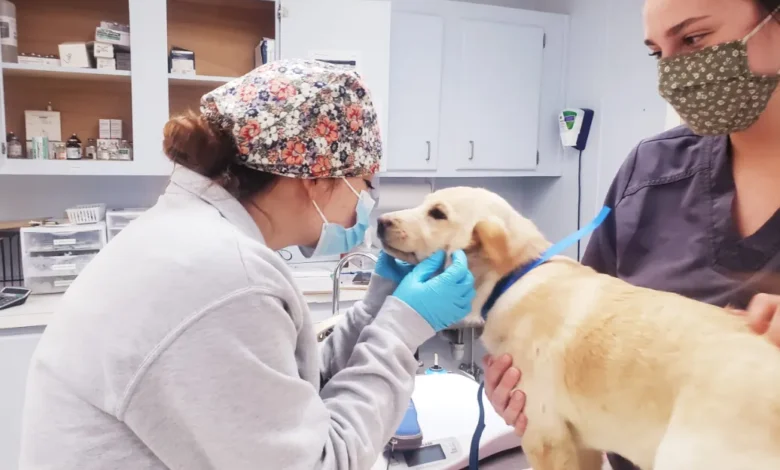
Spay and neuter programs protect pets, people, and neighborhoods. You see fewer stray animals, fewer injuries, and less quiet suffering. Yet these programs only work when veterinary hospitals lead the effort. You rely on trained teams who can watch for pain, infection, and hidden health problems. You also depend on safe surgery spaces that meet strict standards. Every step matters. From the first exam to the last checkup, veterinary hospitals hold the line on safety and comfort. They also give clear answers about timing, cost, and recovery. This support helps you choose what is right for your pet. It also keeps community programs fair and steady. Some services, like an Edmonton spay and neuter clinic, show how hospitals and outreach can work together. When veterinary hospitals stay at the center of these programs, animals suffer less, shelters carry fewer burdens, and communities grow more stable.
Why spay and neuter surgery is not “basic” care
Spay and neuter surgery may look simple on paper. It is not simple for your pet’s body. The procedure uses anesthesia. It changes hormones. It places stress on the heart, lungs, and immune system. A veterinary hospital can check these risks before you ever set a date.
You get three key safeguards.
- Pre-surgery check. The team checks heart, lungs, weight, and age. Blood work can uncover silent disease.
- Safe drugs. The doctor chooses anesthesia drugs that match your pet’s health and size.
- Clean the surgery room. Strict cleaning rules lower infection risk.
The American Veterinary Medical Association explains that pets need this check to stay safe. A hospital can provide it. A pop-up event or informal clinic often cannot.
How hospitals protect your pet during surgery
Once your pet is under anesthesia, every minute counts. You cannot watch the room. You trust the staff. A hospital has people and tools ready for the worst case.
You gain three kinds of protection.
- Monitoring. Staff track heart rate, breathing, temperature, and blood oxygen.
- Emergency tools. The room holds oxygen, IV fluids, and life support tools.
- Trained help. A doctor and support staff stand ready to respond if your pet’s body struggles.
This level of care protects older pets, sick pets, and very young pets. It also protects healthy pets when something unexpected happens. Quiet problems often appear without warning. A hospital can react within seconds.
Pain control and healing support
Spaying and neutering surgery prevent future suffering. It still causes short-term pain. A hospital does not ignore that pain. The team plans around it.
You can expect three steps.
- Pain medicine before surgery to soften the first shock.
- Pain medicine during surgery to keep your pet calm and stable.
- Pain medicine after surgery to support healing at home.
Staff also show you how the incision should look and feel. You learn what is normal and what is a warning sign. You walk out with clear instructions on rest, feeding, and activity. This guidance lowers the chance of infection, wound opening, or behavior changes at home.
Hospitals keep community programs honest and safe
Spay and neuter programs work best when they reach every income level. Many families fear they cannot afford surgery. Hospitals can partner with community programs to close that gap. They can offer sliding fees, vouchers, or set clinic days for lower-cost surgery.
These programs still use the same tools, safety checks, and records. That protects your pet and your trust. It also protects public health. The Centers for Disease Control and Prevention notes that controlling stray animal populations helps reduce bites and disease spread. You can read more about this link in CDC guidance.
Comparison of spay and neuter settings
| Feature | Full service veterinary hospital | Temporary or low control clinic setting |
|---|---|---|
| Pre surgery exam and blood work | Routine and strongly encouraged | Limited or not offered |
| Anesthesia monitoring | Continuous with trained staff and equipment | May be basic with fewer checks |
| Emergency response tools | Readily available during the procedure | May be absent or minimal |
| Pain control plan | Before, during, and after surgery | Often during surgery only |
| Post surgery follow up | Scheduled recheck and clear contact path | Short term or no follow-up once clinic ends |
| Medical records | Stored for future care and emergencies | May be hard to access later |
Support for families before and after surgery
Many people feel uneasy about spaying and neutering surgery. You may worry about your pet’s pain, behavior changes, or cost. A hospital team can walk through each concern.
You can expect clear answers about three common questions.
- When to schedule. Staff explains the best age for your pet’s breed, size, and health.
- What to expect. You learn how long surgery takes and how your pet may act that day.
- How to prepare your home. You get simple steps for rest space, feeding, and safe play.
After surgery, you can call or visit if something feels wrong. That safety net brings calm. It also catches problems early, before they turn into long days at an emergency clinic.
How hospitals strengthen shelters and neighborhoods
When hospitals lead spay and neuter efforts, shelters feel the relief. Fewer litters arrive. Fewer injured strays show up. Staff can spend more time on each animal. That care raises adoption chances. It also reduces the hard choice of euthanasia for space.
Your neighborhood also feels the change. You see fewer roaming dogs. You hear fewer loud fights between cats. You face lower risk of bites and car crashes that involve animals. Children grow up with calmer pets and safer streets.
Every time you choose a veterinary hospital for spay or neuter surgery, you support that change. You protect your own pet. You also protect families you may never meet. That quiet impact lasts for many years.