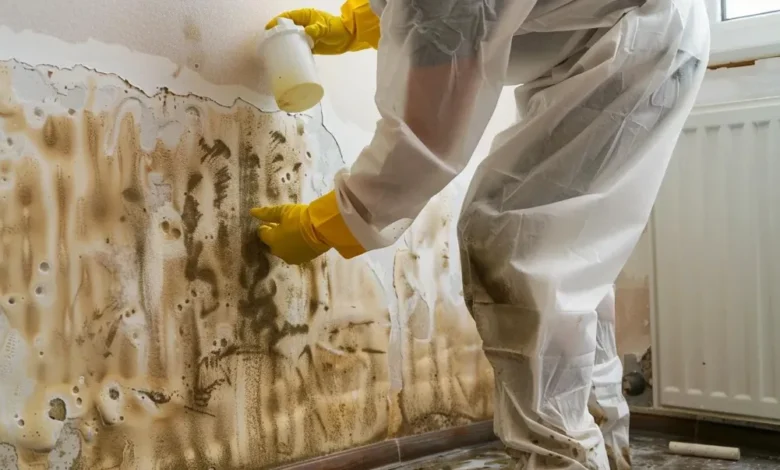
Mold growth in buildings raises important questions about who bears financial and legal responsibility when damage occurs. Property owners, landlords, employers, and construction professionals may all be held liable for mold damage depending on the circumstances, particularly when negligence or failure to maintain safe conditions leads to indoor mold problems. Understanding these responsibilities is essential for anyone dealing with mold exposure or property damage.
Determining responsibility requires examining how the mold developed, whether proper maintenance was performed, and if building codes were followed. Mold thrives in damp environments and can result from water leaks, inadequate ventilation, or structural defects. The party responsible for preventing or addressing these conditions typically bears liability for resulting damage.
The legal landscape surrounding mold damage involves specific duties for different parties and varies based on the property type and relationship between those involved. Health impacts from mold exposure, property damage costs, and remediation requirements all factor into potential claims and compensation, making it vital to find a qualified mold attorney near me.
Determining Legal Responsibility for Mold Damage
Legal responsibility for mold damage depends on property type, the cause of moisture intrusion, and the actions or inactions of involved parties. Landlords, tenants, homeowners, contractors, and insurers each carry distinct obligations that determine liability when mold contamination occurs.
Landlord Obligations in Rental Properties
Landlords bear primary responsibility for mold in rental properties when it results from structural defects or maintenance failures. The implied warranty of habitability requires landlords to maintain premises free from conditions that threaten tenant health and safety, including mold growth from leaking pipes, roof damage, or inadequate ventilation.
Most states impose a duty on landlords to respond promptly to tenant reports of water damage or visible mold. Failure to address these issues within a reasonable timeframe can establish negligence in mold litigation. Landlords must also ensure proper drainage systems, functional plumbing, and adequate weatherproofing before tenants move in.
When a landlord ignores maintenance requests or delays repairs that lead to mold growth, they may face liability for property damage, medical expenses, and relocation costs. Some jurisdictions allow tenants to withhold rent, repair and deduct, or terminate the lease when landlords fail to remediate mold hazards. Documentation of all maintenance requests and landlord responses becomes critical evidence in any mold lawsuit.
Tenant Duties and Habitable Living Conditions
Tenants must maintain habitable living conditions through reasonable care and prompt reporting of moisture problems. This includes using exhaust fans, avoiding excessive humidity, cleaning minor mold on surfaces, and immediately notifying landlords of leaks or water intrusion.
A tenant who causes mold through negligence—such as failing to report a leaking pipe, blocking ventilation, or creating excessive moisture—may bear full responsibility for resulting damage. Landlords can pursue insurance claims or legal action against tenants who fail to mitigate water damage after discovering it.
Tenants should document all communications with landlords regarding mold or water damage through written notices, photographs, and repair requests. This evidence protects tenants from false claims that they caused the contamination through improper maintenance.
Homeowner and Property Seller Responsibilities
Homeowners carry sole responsibility for mold prevention and remediation in owner-occupied properties unless another party’s negligence caused the contamination. They must address roof leaks, foundation cracks, plumbing failures, and ventilation issues before mold develops.
Property sellers face specific disclosure obligations in most states. Sellers who know about current or past mold problems must disclose this information to buyers, even after remediation. Concealing mold damage or lying on disclosure forms can result in lawsuits for fraud, breach of contract, or negligent misrepresentation.
Buyers who discover undisclosed mold after purchase may recover remediation costs, property value diminution, and related damages. A mold attorney can help buyers determine whether sellers violated state disclosure laws and what compensation they can pursue.
Liability of Contractors, Builders, and Insurers
Contractors and builders become liable for mold when defective construction or improper repairs create moisture intrusion pathways. Common issues include faulty waterproofing, improper grading, defective windows, or inadequate ventilation systems in new construction.
Construction defect claims involving mold require expert testimony linking the contractor’s work to the contamination. Builders may face liability under breach of contract, breach of warranty, or negligence theories depending on the jurisdiction and specific facts.
Insurance companies must handle mold claims according to policy terms, which vary significantly. Standard homeowners policies often exclude mold damage unless it results from a covered peril like sudden pipe bursts. Insurers who wrongfully deny valid claims or fail to investigate properly may face bad faith litigation and punitive damages.
Mold Types, Health Impacts, and Remediation Requirements
Different mold species present varying levels of health risks and legal considerations, with certain types requiring immediate professional intervention. Understanding the distinction between common household molds and potentially toxic varieties helps determine liability, remediation standards, and the validity of legal claims.
Identifying and Assessing Mold Types
Stachybotrys chartarum, commonly known as black mold or toxic mold, produces mycotoxins that pose serious health risks. This greenish-black mold typically grows on materials with high cellulose content, such as drywall, wood, and insulation, when they remain wet for extended periods.
Aspergillus represents another common indoor mold genus with over 180 species. Some species produce harmful mycotoxins, while others cause allergic reactions or respiratory infections in sensitive individuals. Aspergillus appears in various colors including green, yellow, and white.
Additional mold types found in buildings include:
- Penicillium: Blue or green molds often found on water-damaged materials
- Cladosporium: Olive-green to brown molds that grow in cool and warm conditions
- Alternaria: Dark molds typically found in damp areas like showers and under sinks
Professional mold inspection identifies specific mold species through visual assessment, air sampling, and surface testing. Laboratory analysis confirms whether the mold produces mycotoxins and determines the concentration of mold spores in the indoor air quality.
Health Risks and Legal Implications of Mold Exposure
Visible mold, moisture, water-damaged materials, and mold odor directly correlate with increased respiratory health effects. The extent and severity of dampness and mold growth determine the magnitude of health risks to building occupants.
Common health effects from mold exposure include:
- Nasal stuffiness and sinus congestion
- Eye, throat, and skin irritation
- Wheezing and difficulty breathing
- Asthma attacks in asthmatic individuals
- Chronic coughing and respiratory infections
Toxic mold exposure can lead to more severe conditions, particularly in children, elderly individuals, and those with compromised immune systems. Prolonged exposure to mycotoxins may cause neurological symptoms, chronic fatigue, and persistent respiratory illness.
These health impacts form the basis for toxic tort claims and personal injury claims against negligent property owners or landlords. A toxic mold lawsuit requires documented evidence linking the mold exposure to specific health conditions and demonstrating the responsible party’s failure to address known moisture problems or mold contamination.
Professional Mold Testing, Inspection, and Remediation Standards
Mold inspection involves comprehensive assessment of visible mold growth, moisture sources, and hidden contamination behind walls or under flooring. Certified inspectors use moisture meters, thermal imaging cameras, and air quality monitors to identify problem areas.
The IICRC S520 Standard and Reference Guide for Professional Mold Remediation establishes industry protocols. This standard defines three contamination conditions:
|
Condition |
Description |
Required Action |
|
Condition 1 |
Normal fungal ecology |
Routine cleaning |
|
Condition 2 |
Settled spores or small isolated areas |
Professional cleaning and source correction |
|
Condition 3 |
Actual mold growth or heavy contamination |
Full remediation with containment |
Mold remediation differs from simple mold removal or mold cleanup. Proper remediation addresses the underlying moisture source, contains affected areas to prevent mold spores from spreading, removes contaminated materials, and restores indoor air quality to acceptable levels.
Some states require dedicated licensing for mold assessment and remediation professionals. Companies performing remediation must follow containment protocols, use HEPA filtration, and provide documentation of completed work.
Filing Mold Claims and Pursuing Legal Action
Property owners, landlords, contractors, or insurance companies may bear responsibility for mold damage depending on the source and response timing. Documentation proves essential for successful claims, including photographs of mold growth, moisture readings, repair estimates, and medical records showing health impacts.
A toxic mold attorney or toxic mold lawyer evaluates whether negligence, breach of warranty, or failure to maintain habitable conditions caused the contamination. Legal action typically requires proof that the responsible party knew or should have known about water intrusion or moisture problems.
Insurance claims for mold damage often face denial based on exclusions or disputes about the cause. Successful claims demonstrate that covered water damage directly caused the mold growth and that the property owner took reasonable steps to mitigate damage. Denied claims may require legal intervention to obtain coverage for testing, remediation, temporary housing, and medical expenses.
Evidence collection should include professional mold inspection reports, remediation proposals, communication records with landlords or property managers, and medical documentation linking symptoms to toxic mold exposure.