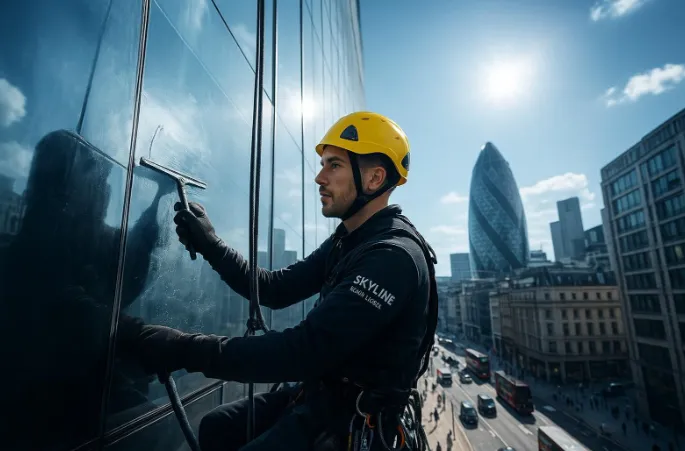
How do modern cities keep skyscrapers and historic buildings in good condition without stopping daily life? One key method is high-level rope access, a flexible and low-impact way of working at height that avoids the usual problems of scaffolding. Trained technicians descend from secure anchor points on ropes, carrying out repairs, cleaning, and inspections with great accuracy, quick setup, and far lower costs than many traditional options.
As of February 18, 2026, demand for these services is higher than ever. Property managers and facility directors are increasingly using professional rope access building maintenance for everything from detailed facade restoration to urgent structural checks. This method keeps cities running smoothly and helps even the hardest-to-reach parts of buildings stay in good condition.
What Are the Main Urban Maintenance Challenges?
Common Difficulties in Urban Infrastructure Upkeep
Keeping a city’s buildings and structures in good order is a constant job against time, weather, and everyday wear. In busy cities, the high number of buildings means standard maintenance often clashes with traffic, pedestrians, and nearby businesses.
One of the biggest problems is the “unexpected issue” – a simple inspection that uncovers serious damage. If handled poorly, this can lead to long downtime and fast-rising costs.
Cities also face many different types of stress. Tall buildings must cope with strong winds and big temperature swings, while historic buildings slowly lose strength in stone, brick, and metal. Coordinating several teams – like scaffolders, insulation crews, and inspectors – can create confusion and mixed messages. This can drain a project’s budget before major work even starts.
Types of Structures Requiring High-Level Maintenance
City skylines combine modern towers and older landmarks, each with their own challenges. Glass skyscrapers such as The Shard in London or the Burj Khalifa in Dubai need regular window cleaning and facade checks to keep their clear, bright look. Industrial structures like chimneys, smokestacks, and carbon steel pipework inside city limits need specialist high-angle work to stay safe and meet regulations.
Historic sites like Edinburgh Castle or Notre Dame Cathedral need very careful handling. These buildings often have strict rules on what can be changed, so any maintenance method must be low-impact. Rope access suits these sites well because it does not rely on permanent heavy fixtures that could harm the building’s look or structure.
Access Constraints in Densely Built Environments
In dense city centers, there is often no space for cranes or large scaffold setups. Narrow lanes, pedestrian-only areas, and busy junctions create access problems that make big machines impractical. Finding safe anchor points in crowded areas can be tricky, especially on buildings with complex designs and few flat, standard surfaces.
On top of that, moving heavy equipment through traffic adds time and cost. Street closures for maintenance work can take weeks to approve. Rope access avoids most of these issues: a small team with light equipment can set up and begin working in a fraction of the time a traditional crew would need.
What Is High-Level Rope Access and How Does It Work?
Mechanics of Rope Access Techniques
Rope access is a way of positioning workers at height, based on rock climbing and caving methods but adapted for industrial and urban work. Unlike a fixed cradle or scaffold, rope access gives full three-way movement. Technicians can move up, down, and sideways with ease, reaching awkward spots that platforms cannot reach.
The system relies on two ropes. The main “working line” supports the worker and allows movement along the structure. The second “safety line” acts as a backup. If the main line ever fails, a fall-arrest device on the safety line catches the worker. This built-in backup is a key reason the safety performance of rope access often beats that of many scaffold operations.
Rope Access Equipment and Safety Standards
Equipment for rope access is industrial-grade and heavily tested, not just standard sports climbing gear. It must meet strict PPE (personal protective equipment) rules. Technicians wear specialist harnesses, helmets, and devices for going up and down ropes, all made for long periods of work at height. Every part of the system is checked regularly to meet international safety standards, which is a priority for teams like https://www.ropeaccessinlondon.co.uk/ when performing complex maintenance.
Training and certification add another layer of safety. Bodies like the Industrial Rope Access Trade Association (IRATA) and the Society of Professional Rope Access Technicians (SPRAT) set strict training levels. Technicians move through these levels over time, and a Level 3 supervisor is present on every site to handle risk assessments and rescue planning so that safety is never sacrificed for speed.
Types of Urban Maintenance Tasks Rope Access Can Solve
Rope access can handle most jobs usually done from the ground or from scaffolding. This includes non-destructive testing (NDT) such as ultrasonic thickness checks on pipes, along with heavier work like welding, painting, and sealing against water. In cities, it is often used for high-rise sign installation, electrical work, and fitting bird control systems.
A strong advantage is “multi-skill” work. One rope access team can be trained in several trades. For example, they can open an inspection window in insulation, carry out a structural survey, and then close and reseal the area in the same visit. This removes the need to bring in separate companies, cutting both time on site and coordination effort for building managers.
Top Benefits of Using Rope Access Services in Urban Settings
Reduced Disruption to Public Spaces and Traffic
One of the clearest benefits of rope access is what people on the street do not see: closed pavements, blocked entrances, and “Road Closed” signs. Because most equipment stays on the roof or on the ropes, the impact at ground level is tiny. This is especially helpful for shops, offices, and hotels that need to keep entrances open and welcoming.
Scaffolding can stay in place for weeks or months as a constant visual and physical barrier. Rope systems, by contrast, can be removed quickly at the end of each shift. The building keeps its normal appearance, and public walkways remain open. Noise and visual clutter are kept low, which is a major plus in busy city streets.
Improved Cost-Effectiveness and Speed
Rope access is often 30% to 70% cheaper than standard options. Savings come from smaller teams, low equipment rental costs, and much faster project times. A scaffold setup might take days or weeks to erect, while a rope system can often be rigged in under an hour.
Speed also shows in better “up-time.” Because setup is so quick, teams can work in short weather windows or carry out urgent repairs at quiet times, such as nights or weekends. This fast response stops small faults, like loose cladding or a slipped band, from turning into major damage that would need large, costly repair programs later.
Reduced Environmental and Structural Impact
Rope access has a very small physical footprint. It needs no large engines or heavy lifting machines, which cuts fuel use and emissions from cranes and trucks. This supports city climate goals and lower carbon targets. The system often uses existing structural points or temporary weights as anchors, so there is usually no need to drill into walls or change the external fabric of the building.
This gentle approach is especially important for sensitive sites or buildings with fragile finishes. By avoiding the weight, vibration, and pressure of heavy scaffolding, rope access helps protect the building’s structure. It also keeps noise low, which makes it a good choice for residential blocks, care homes, and hospitals where quiet conditions matter.
How Does Rope Access Compare to Traditional Urban Maintenance Methods?
Rope Access Versus Scaffolding and Aerial Platforms
Scaffolding and Aerial Work Platforms (AWPs) still have clear uses. Scaffolding gives a solid work area for long-term, heavy construction work but is costly and slow to put up and remove. AWPs like cherry pickers can reach good heights but depend on clear space at ground level, with no cars, trees, or cables in the way.
Rope access is much more flexible. It works well on complex shapes and tight spots where cranes or lifts cannot reach. Traditional methods are better for moving heavy loads or when many workers must stand in the same place with lots of tools. Rope access is strongest for inspection, light repair, and routine maintenance where quick work and a small footprint matter most.
Limitations and Best Use Cases for Each Method
No single access method suits every job. Scaffolding is still the best choice for long projects needing steady access over weeks or months, especially where heavy materials are involved. AWPs work well for mid-height work where there is enough clear space at ground level and the job needs a very steady platform.
Rope access is best for high-angle work, tight spaces, and short or medium-length maintenance tasks. It does have limits: strong winds, heavy rain, or ice can stop work, and ropes cannot safely carry the same loads as mechanical hoists. Many effective maintenance plans use a mix of methods – rope access for inspection and small repairs, and scaffolding or lifts only when major structural work is required.
Key Applications of Rope Access in Urban Maintenance
Facade Inspection, Cleaning, and Repair
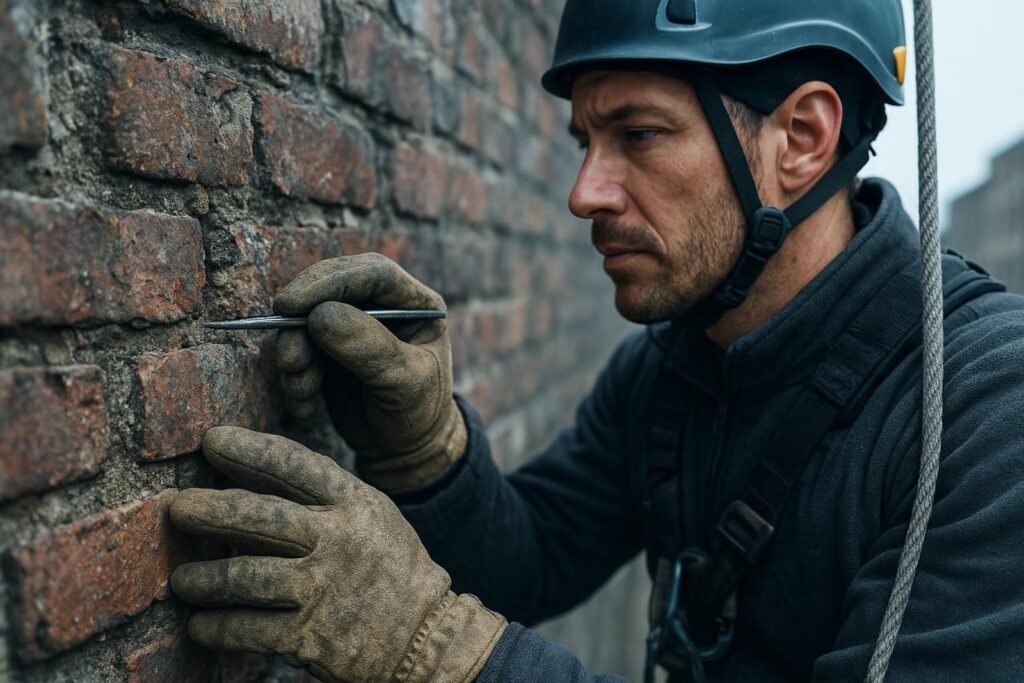
The outside surface of a building protects it from weather and pollution. Rope access teams are often the first choice for facade work. They can get close enough to touch and test brick, stone, sealant, and glass. This close contact helps them spot early signs of rust, loose material, or cracking that drones or distant visual checks might miss.
Window and Glass Restoration at Height
Cities like London, New York, and Paris have many glass-heavy buildings that need regular care. Rope access allows detailed cleaning and glass panel replacement without large external lifts. Technicians can also apply coatings and solar films from outside, improving energy performance and comfort inside the building.
Signage, Lighting, and Banner Installation
High-level branding and lighting are common in urban areas. Rope access teams install signs, lighting rigs, and banners at height, moving safely around the structure while handling both heavy and delicate components. They can work in windy areas and still fix items securely, often without the need to close the street below.
Key Structural Assessments and Upgrades
Bridges, towers, and older infrastructure need regular inspections by law. Rope access teams can carry out NDT methods such as eddy current tests for surface cracks and guided wave ultrasonic testing to detect hidden corrosion along long pipe runs. These detailed findings give engineers the information they need to plan targeted repairs and upgrades.
What Safety Protocols Govern Rope Access Operations?
Certifications and Industry Standards (e.g., IRATA, SPRAT)
Rope access is controlled by strict industry rules. Groups such as IRATA and SPRAT require technicians to log many hours of on-rope work before moving up to higher levels. Training covers knots, equipment checks, rescue systems, and safe work plans. This process helps make sure that anyone working on ropes on your building is highly skilled and up to date.
Risk Assessment and Hazard Control
Before work starts, a detailed Risk Assessment and Method Statement (RAMS) is prepared. This document lists likely hazards – such as overhead cables, sharp edges, or people passing underneath – and sets out how each risk will be reduced or removed. Careful planning is a major reason rope access has such a strong safety record compared with many more traditional approaches.
Emergency Preparedness and Rescue Procedures
All rope access teams train in rescue skills. Unlike many scaffold or platform jobs, where crews may rely fully on the fire service in an emergency, rope technicians are taught to carry out high-angle rescues themselves. Every project has a clear rescue plan based on the exact building or structure, with equipment on site so a stuck or injured worker can be brought down quickly.
Legal and Regulatory Considerations for Rope Access in Cities
Licensing Requirements for Urban Rope Access Work
High-level work in cities must follow local laws as well as safety rules. Companies need valid business licenses and must keep technician certifications current. In many areas, special permits are needed for work above pavements, roads, or public spaces, though these are often simpler to obtain for rope access operations than for large scaffold setups.
Insurance and Liability Issues
Because of the nature of work at height, suitable insurance is mandatory. Rope access providers carry public liability and professional indemnity cover that reflects the risk level. This protects owners, occupants, the public, and the technicians in the unlikely event of damage, accident, or equipment failure.
Local Government and Building Code Compliance
Rope access work in cities must meet local building rules and global standards such as ISO 22846. These rules cover areas like anchor strength, working practices, and how often gear must be inspected. Following these standards keeps people safe and protects owners from legal issues during audits, sales, or insurance checks.
What Are the Environmental Impacts of Rope Access Services in Urban Areas?
Lower Carbon Footprint Compared to Heavy Machinery
Rope access avoids the need for most cranes and heavy lifting gear, which cuts fuel use and emissions for each project. Equipment is compact and can usually be carried in one vehicle, fitting well with many cities’ “Green City” targets and climate plans. This makes rope access a strong option for building maintenance programs focused on sustainability.
Reducing Scaffolding Waste
Scaffolding often uses large amounts of steel, timber boards, and plastic netting. Over time, components become damaged and must be replaced, sending more waste to landfill. Rope access uses a small set of reusable items, creating very little waste. This “light touch” approach fits well with modern aims to cut waste streams from construction and maintenance.
Real-World Case Studies: Rope Access Solving Urban Maintenance Challenges
Case Study 1: High-Rise Facade Remediation
At Port Jackson Towers in Milsons Point, the complex facade made standard access methods too expensive. A retro-fitted Building Maintenance Unit (BMU) was rejected because the structure could not support it. Instead, a custom rail and trolley system was installed with rope access techniques. Technicians could then complete painting and cleaning without entering homes or blocking views, giving residents a long-term, discreet solution.
Case Study 2: Emergency Repairs Without Street Closures
In a busy city business area, a loose decorative panel was spotted 30 floors up after a storm. Scaffolding would have needed a week of permits and the closure of a main bus route. A rope access crew arrived within hours, rigged from the roof, and secured the loose element that same day. The street stayed open and the risk to the public was removed with almost no disruption.
How to Select the Right Rope Access Provider for Urban Maintenance Projects
Key Qualifications and Experience to Look For
When choosing a provider, start by checking for IRATA or SPRAT certification. Look for companies with clear experience on urban buildings of similar height and type to yours. A good provider will share their safety record, insurance details, and case studies, and be ready to give contact details for previous clients.
Questions to Ask Potential Providers
- What is the technician-to-supervisor ratio on your sites?
- Can you provide a site-specific rescue plan and RAMS?
- How do you handle adverse weather conditions and project delays?
- What specific trades (electrical, welding, painting) are your technicians qualified in?
Integrating Rope Access into City Maintenance Strategies
Rope access works best when it is built into the long-term maintenance plan, not added at the last minute. By reviewing your building to find areas that need frequent work and installing tested, permanent anchor points, you can make future rope work faster, safer, and cheaper. This forward planning helps buildings stay compliant and in good condition for many years.
Future Trends in Urban Maintenance with Rope Access Services
Innovations in Rope Access Technology
The sector is moving toward a mix of expert human skills and advanced digital tools. New “smart” ropes with built-in sensors can track loads and wear in real time. New devices such as the RoofJockey™ help technicians move around complex glass features without touching their surfaces, keeping modern designs unmarked during maintenance.
Drones are also changing how projects are planned. Fitted with high-resolution cameras and thermal imaging, they can scan a building first to spot hot spots, leaks, or damage. Rope access teams then use this data to go straight to problem areas, cutting time on the ropes and focusing effort where it is needed most.
Predicted Growth and City Infrastructure Needs
As more cities build upward, rope access is likely to become even more common. Future maintenance programs will rely more on Artificial Intelligence (AI) to review inspection images and measurements. AI tools can scan thousands of photos from rope access surveys and predict when parts will fail, helping teams switch from reactive repairs to planned, predictive maintenance. This shift will help keep urban buildings safer, cleaner, and more efficient, using rope access as a standard tool for high-level upkeep.