Modern university ad campaign trends are now shaped by a clear move away from glossy, “institutional spin” and toward radical honesty, strong personalization, and AI-led discovery. As we move through the 2026 recruitment cycle, the field has moved past vague, catch-all slogans.
Winning campaigns aim to be the “built-in answer” where students actually look for help-whether that’s a generative AI tool, a niche Discord server, or a short-form video feed. This shift reflects a better understanding that today’s students want more than a degree; they want a sense of community and a clear, ethical return on what they spend and sacrifice.
To succeed, institutions must move past standard digital display ads. Effective university ad campaigns now combine strong human contact with smart technology and data, so every touchpoint feels like a one-to-one conversation instead of a loud broadcast.
By using behavioral data and student-created content, universities can cut through the noise in a crowded market and build the trust needed to guide someone from their first question all the way to enrollment.
What Defines Modern University Ad Campaign Trends in Higher Education Marketing?
How Have University Advertising Tactics Evolved Recently?
In the last few years, the “one-size-fits-all” marketing plan has basically disappeared. Where universities once leaned on printed brochures and broad TV spots, they now rely on “Search Everywhere Optimization.”
This means adapting tactics to meet students in many scattered digital spaces, focusing on visibility in AI results and social search instead of only chasing a top Google rank. The focus has shifted from “reach as many as possible” to “reach the right people” through small but active communities.
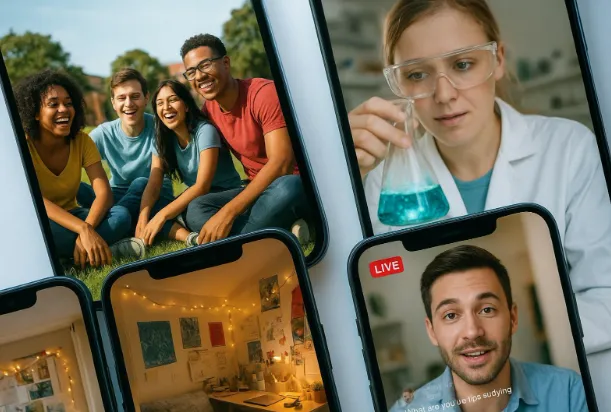
The tone of advertising has also changed a lot. Perfectly staged campus photos and scripted dean messages are giving way to “academic advocacy” and stories told by students. Institutions now encourage faculty and students to act as brand advocates on platforms like LinkedIn and TikTok, accepting that a peer’s unedited “day in the life” video often carries more influence than an expensive, polished commercial.
What Factors Are Influencing Current Trends?
The main push behind today’s trends is rapid progress in generative AI. With AI overviews now showing up in over 21% of searches, universities need to shape their content so that tools like ChatGPT and Gemini see them as trustworthy sources.
Money pressures are also a big factor; the ongoing cost-of-living squeeze means more local students are choosing nearby campuses to save on rent, which forces universities to sharpen their regional focus and clearly explain affordability.
On top of that, global tensions and changing government rules-such as student limits in Canada and stricter visa controls in Australia-have changed how international recruitment works. Marketing teams must now build confidence not just with students, but also with overseas regulators and local residents.
The “enrollment cliff” is no longer a distant concern; it is happening now, pushing institutions to become quicker, more data-aware, and more open about the value they offer.
Which Audiences Are Campaigns Targeting Today?
Gen Z is still the main audience, but more campaigns are shifting focus to Gen Alpha and adult learners. Gen Alpha, who have grown up only with digital tools, expect instant information and very personal content feeds. For them, digital experiences must be fast, real, and chat-like. Marketers are learning that young people can spot low-effort AI content or marketing “spin” right away, so honest proof and real examples matter more than ever.
At the same time, adult learners have become a key growth group. These prospects are not casually browsing; they are juggling work, family, and other duties, and they want clear answers about flexibility, transfer credits, and career results.
Because of this, modern campaigns often split in two: one side centers on the “meaning and impact” younger students want, while the other side offers solid “decision help” and career detail for lifelong learners.
What Are the Key Challenges Facing Modern University Ad Campaigns?
Adapting to Rapid Technology Changes
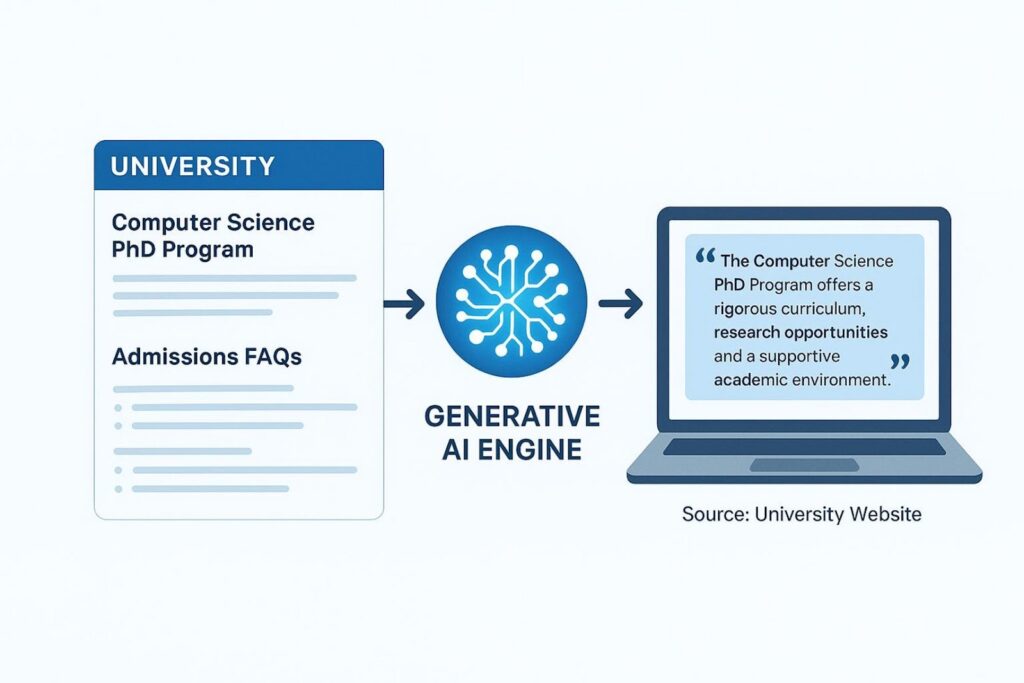
One of the hardest tasks is keeping up with the move from classic SEO to Generative Engine Optimization (GEO). Marketers are learning that what worked to win a search rank does not always help them show up in an AI-written summary. This shift calls for reworking website structures and adding short, structured FAQ content that AI crawlers can easily read and quote.
The need for always-on support is also putting pressure on staff and budgets. Students now expect instant replies at any hour, whether they are searching at 2 a.m. or on a Sunday. Rolling out advanced conversational AI that can handle detailed questions about fees, aid, or program rules-well beyond simple chatbot scripts-is no longer optional for schools that want to stay competitive.
Standing Out in a Saturated Media Landscape
The digital space is more crowded than ever, leading to more “stealth applicants” — students who quietly research, compare options, and apply without ever completing an inquiry form. This makes it hard for marketing teams to read campaign results using old tracking methods. To handle this, universities are adopting multi-touch attribution models that look at the full student path across different channels and devices. As noted at https://be-media.com.pl/en/, capturing attention in such a busy market requires a presence in highly attractive advertising spaces that bridge the gap between digital and physical worlds.
There is also a growing “trust penalty” for heavy AI use. As AI-generated content becomes more common, audiences are pulling back from anything that feels stiff, generic, or machine-written. Comments like “your ChatGPT is showing” are frequent on social feeds, pushing universities to work harder to prove that key content is created by real people and based on real experiences.
Handling Geopolitical and Social Issues
Universities are working to keep balance and credibility during a time of intense political and social activism. Students increasingly want to know who gives money to the institution, where it invests, and what values it stands by. Campaigns that ignore these topics or rely on hollow slogans risk strong negative reactions. Messaging in 2026 needs to show awareness of social issues and a steady tone, pointing to reliability and honesty, not just “brand personality.”
For international students, tougher anti-immigration talk in long-time study destinations like the UK and US has made recruitment harder. Many universities are adjusting their global messages to be more welcoming and supportive, and some are opening campuses abroad (transnational education) to reach students at home instead of asking them to deal with stricter visa processes.
How Do Ad Campaign Strategies Address New Student Segments?
Approaches for Gen Z and Gen Alpha Audiences
For Gen Z and Gen Alpha, marketing is shifting toward “purpose-driven” messages. After watching millennials deal with layoffs, career changes, and burnout, Gen Z is less focused on climbing a corporate ladder and more focused on meaningful work and social impact. Campaigns now explain how a degree leads to a life with purpose and growth, not just a high first paycheck.
Platform choice matters a lot. Universities are moving away from just “showing up” in student spaces and instead aiming to add real value on platforms like Discord and Reddit. By running virtual study rooms, themed channels, or “Ask-Me-Anything” sessions with advisers, schools can build curiosity and belonging before a student even visits campus. The goal is to be helpful and sincere, not just another pushy brand.
Shaping Campaigns for Adult and Lifelong Learners
Marketing to adult learners means switching the mindset from “brand building” to “helping with decisions.” These students want straight answers to questions like “Can I keep my job while studying?” and “What jobs do graduates really get?” Strong campaigns for this group use clear, simple language and highlight help like all-hours advising, online tutoring, and career coaching. The goal is to remove doubt and give prospects confidence that they can fit study into their already full lives.
More universities are also putting micro-credentials and skills-based courses at the center of their offer instead of on the side. By promoting high-quality micro-qualifications that students can earn during or after a degree, schools present themselves as long-term learning partners. This connects well with adult learners who may not need another full degree but do need specific skills to move ahead at work.
What Digital Strategies Drive Successful University Ad Campaigns?
SEO and Paid Search Integration
The old habit of keeping SEO and paid media separate no longer works well. In 2026, the best campaigns treat visibility and conversion as one connected system. Using paid search data, content teams can see the exact phrases students type and then build organic pages that answer those questions directly. This joined-up approach cuts waste and creates a smoother brand experience across the whole search results page.
This teamwork also shapes keyword planning. Matching paid keyword themes with organic content helps avoid paying for clicks that land on pages that do not match the user’s real need. When these teams share insights, the university learns faster and can shift bids and budgets based on which topics are already gaining solid organic momentum.
Generative Engine Optimization (GEO) and Answer Engine Optimization (AEO)
GEO and AEO are the new main areas of search work. GEO is about formatting site content so that generative AI tools-like ChatGPT, Gemini, and Copilot-can easily quote the university as a source. This involves using structured data markup and writing program descriptions that are clear, specific, and authoritative. AEO aims for “zero-click” exposure, giving short answers that appear in Google AI Overviews or voice tools like Siri and Alexa.
To do well here, universities are adding rich FAQ sections to every program page. These FAQs are not random; they use common keywords and mirror the way students actually speak. By giving direct, helpful answers, the school raises its chances of appearing as a featured snippet or the spoken reply when a student asks about topics like the best local nursing programs or flexible business degrees.
Role of Social Media Platforms as Search Engines
For many students, the college search now begins on TikTok, YouTube, or Reddit instead of Google. These platforms give a vivid, visual search experience that a plain list of links cannot match. Students type in queries like “what is campus life really like at X University?” to find real dorm tours and frank reviews from current students. This kind of content feels more honest than official marketing pages.
Universities are responding by making their social content easy to find through smart tags, captions, and keywords. They are moving away from slick “highlight reels” and leaning into “platform-native discovery.” That means creating posts that fit the style of each channel, such as “day in the life” clips or live Q&As with student ambassadors on Instagram, so the university shows up naturally in a student’s feed during the research phase.
Short-Form Video and Interactive Content
Short-form video is now the main format shaping first impressions. These quick, real-feeling views of student life have an outsized effect on how a prospect judges “fit.” Strong campaigns use networks of student creators to share unedited content that shows not just classes, but also campus culture, support services, and the local area.
Interactive content-like polls, quizzes, and live online events-also plays a big role in keeping interest high. These tools allow back-and-forth communication, making the student feel like an active partner in the process instead of just a target for ads. The interaction data also reveals what students care about most, which can then guide more personal follow-up messages.
Virtual Campus Tours and Events
Virtual campus visits are still key, especially for international students and busy adults. Good 360-degree tours that let students move around campus on their own are now standard. The new focus is on guided virtual tours led by current students or admissions staff, which can be recorded and reused as on-demand content.
These events are built as digital-first experiences, not just livestreamed versions of on-campus open days. They often include clickable hotspots with extra videos, lab demos, or stories. By showing off special facilities-like advanced labs or major cultural spaces-universities can help prospects imagine themselves on campus, no matter where they currently live.
How Does Personalization Shape Higher Education Marketing Today?
AI-Powered Personalization in Campaign Messaging
Personalization has moved far beyond adding a first name to an email greeting. Today, advanced analytics and machine learning are used to serve content that fits each person’s actions and interests. For example, if someone spends time on a cybersecurity program page, the ad system may show them a video of a current cybersecurity student instead of a general campus overview.
This level of personalization also affects the website itself. Dynamic landing pages can change images, layout, and calls-to-action based on what is known about the visitor and how they have interacted before. By putting the most relevant facts-like certain scholarships or career outcomes-front and center, universities can raise conversion rates and make visitors feel clearly seen and heard.
24/7 Conversational AI and Chatbots
Conversational AI is changing student engagement by giving instant, personal help through every stage of the funnel. These tools are moving past simple questions like “when is the deadline?” and are now handling more detailed topics such as funding options, transfer credits, and program requirements. With 24/7 support through SMS and web chat, universities can respond the moment a student shows interest.
These AI helpers also route questions to human staff when needed. By taking care of routine questions, they give admissions teams more time for in-depth, person-to-person talks that build real relationships. This constant presence means no inquiry is ignored, which matters in an age where students expect quick, always-available guidance.
Behavioral Targeting versus Traditional Demographics
Modern campaigns place more weight on what students do online than on basic traits like age or home city. Actions such as which pages they visit, how long they watch videos, and whether they attend events offer richer insight into their real interest level. By tracking these “intent signals,” universities can time their messages better, like sending a reminder about an application deadline only to those who have shown deep engagement.
This strategy also supports privacy by leaning on first-party data and contextual cues. Instead of following students around the internet with the same generic ads, universities shape helpful interactions based on what the student is actually doing on their own sites and channels. This improves media efficiency and builds a more respectful relationship with prospects.
Why Is Authenticity and Student Voice Important in Ad Campaigns?
Impact of Student-Generated Content and Testimonials
By 2026, student voices have become more powerful than official brand messages. Peer-created content is seen as more believable than polished marketing text. When a current student talks openly about both struggles and wins, it creates a story that helps prospects judge their own sense of “fit” and “belonging.” Leading universities now treat students as true partners in content, giving them tools and freedom to share their stories without heavy editing.
Testimonials are changing form as well. Instead of static quotes on a website, they now show up as ongoing stories shared through social media takeovers or “day in the life” series. This user-generated content lets prospects see the “real” university-the messy dorm rooms, group study nights, and natural campus atmosphere. This level of honesty is what drives enrollment decisions in a time when people are wary of AI-generated fluff.
Building Trust with Transparent Messaging
Clear, open communication is now a major advantage. Students and families often feel overwhelmed by confusing costs and vague promises about outcomes. Campaigns that lead with plain, easy-to-read facts about pricing, typical starting salaries, and graduation rates create trust early. This includes using simple language for financial aid and being upfront about challenges as well as the support offered.
Trust also grows when a university explains its purpose. Many people now choose based on an organization’s mission and values. Schools that are open about their efforts on social justice, community engagement, and ethical use of data stand out. A brand built on honesty and values can withstand the close examination of digital-native students and their families.
How Are Universities Measuring Campaign Performance and ROI?
Performance-Driven Media Planning
With budgets under pressure, higher ed marketing has shifted to a performance-driven approach. Instead of focusing on impressions and clicks alone, teams now watch hard enrollment outcomes like completed forms, lead quality, and application yield. Every digital dollar must show a clear link to enrollment goals.
This data-based method allows quick changes. Using live dashboards, marketers can see which creative versions bring in the most inquiries and shift spend while the campaign is still running. This flexibility is key for stretching limited funds and backing only the activities that move actual enrollment numbers.
Advanced Attribution Models and First-Party Data
Because student decision-making is long and messy, “last-click” reporting no longer gives a full picture. Universities are turning to multi-touch attribution models to see how each channel-from a TikTok clip to a custom email-helps lead to enrollment. This needs smooth data flow between CRM, student systems, and ad platforms to build a full view of each journey.
First-party data has become the most valuable resource for marketers. By focusing on collecting and studying their own data, universities can power better predictive models and smarter bidding. This forward view helps leaders decide where to invest next based on which audience groups are most likely to apply, enroll, and succeed.
Challenges with Privacy and Data Regulation
As privacy rules tighten and third-party cookies phase out, universities are rethinking how they target audiences. The focus is shifting toward contextual targeting and building their own “owned” audiences. That means creating strong, useful content that naturally attracts the right students instead of depending on intrusive tracking. Honest, careful use of data has now become part of the brand promise, since students want confidence that their information is safe.
Balancing personalization with privacy is a major test. Universities must be open about where and how they use AI and data to help students. By setting clear internal rules for AI use and sticking to them, institutions can support trust and make sure their marketing is viewed as helpful guidance, not spying.
What Are Ethical and Outcome-Focused Best Practices in Higher Ed Marketing?
Transparency in Cost and Outcomes Communication
Ethical marketing starts with straight talk about money. Current best practice is to give student-friendly explanations of tuition, fees, and aid, using stories and examples as well as numbers to show value. Highlighting real graduate paths-with actual job titles and sectors-helps make the career payoff of a degree feel concrete and reachable.
Institutions should also run regular career outcome surveys and make the results easily available. Sharing data on employment rates and starting salaries helps families make confident, informed choices. This openness supports fairness by giving all students, including first-generation and low-income applicants, access to the same key information.
Ethical Data Use and Privacy Standards
Schools need to clearly explain how AI and automation fit into their messaging and outreach. A good approach is to show where AI is used for efficiency (for example, chatbots that handle standard questions) and where human staff take over (such as one-to-one advising). This helps students see how their information is created and used while keeping the human element at the center.
Building a “data-aware culture” in marketing teams also matters, so that choices are based on evidence, not hunches. This includes a strong promise to protect student privacy and to keep automated interactions accurate and caring. Done right, data-driven personalization should build confidence in the institution, not damage it with creepy or wrong-headed targeting.
Purpose-Driven and Mission-Based Messaging
More and more, marketing highlights the university’s mission. This means showing community projects, social justice work, and diversity programs as central to who the institution is-not side efforts. Involving students in these campaigns and encouraging them to share their own stories tied to the mission can create a brand that connects on a values level, not just a features level.
This approach also includes telling the stories of alumni who have helped their communities. Showing graduates who have made a difference in areas like non-profits, public service, or social innovation proves that the university’s impact goes well beyond landing a job. Aligning the school’s mission with students’ personal goals is key to building a strong, lasting brand in 2026.
What Action Steps Can Universities Take to Innovate in Ad Campaigns?
Investing in AI-Ready Optimization
A core early step is making sure content is easy for machines to read. This means reviewing your site structure, adding proper schema, and making sure AI search tools can crawl and understand your pages. Focus first on program pages and core value messages, and keep them clear, direct, and well-organized so AI tools can interpret them correctly. This AI-friendly setup is the base for visibility in the new search landscape.
Universities can then roll out AI support in small stages-like adding an automated FAQ tool or setting up behavior-based email triggers. By testing each new feature and building on what works, marketing teams can respond faster to prospects while freeing human staff to spend more time on complex, high-touch conversations.
Aligning Strategy Across Departments
Real innovation often requires breaking the old split between marketing and enrollment. These groups need to plan together, agree on core message pillars, and keep the story consistent at every stage-from social ad to campus tour. When marketing work clearly ties into enrollment targets, institutions can reach more stable and predictable results.
Data alignment is part of this. Insights from campaigns should flow right into the CRM so admissions teams can follow up quickly with the most engaged students. By building a single “enrollment system” that joins channels and teams, universities can reduce friction, avoid mixed messages, and keep the student experience smooth from first click to first class.
Continuous Data Monitoring and Adjustment
To keep moving forward, universities need a flexible, test-and-learn approach to media. This includes building dashboards that leaders can use for quick decisions. Instead of launching a campaign and leaving it alone, teams should track performance regularly and be ready to shift budget away from weak areas and toward higher-return ones.
It is also important to keep watching how student habits change. Treat social platforms as early-stage research tools and regularly review every touchpoint for tone and clarity. By staying curious and ready to adjust, institutions can move in step with their students and keep their ad campaigns timely, trustworthy, and effective in a fast-changing environment.
Frequently Asked Questions about University Ad Campaign Trends
How Quickly Are Digital Trends Changing?
Digital trends in higher ed are moving very fast. For example, the share of students using AI chatbots for college research jumped from 49% to 60% in a single year. With changes like this, strategies that were effective only six months ago can feel out of date. Universities must treat digital work as ongoing, with constant learning and frequent updates.
The move from classic search to “Search Everywhere” is another strong example. As AI overviews and social search take up more space on screens, universities that do not adjust their content structure within one recruitment cycle may lose visibility to more flexible peers.
Should Universities Use Influencer Marketing?
Yes-but the focus should be on “academic advocates” and “student-led voices,” not big-name celebrities. Working with current students who have active followings, or with faculty who are thought leaders on LinkedIn, can grow both reach and credibility. These internal influencers offer honest views that connect better with prospects than a standard paid spokesperson.
The key is to let them speak in their own style. User-generated content works because it feels real and unforced. When student creators can share their experiences in their own words, universities gain a relatable brand story that stands up under careful online research.
What KPIs Indicate Campaign Success?
While clicks and impressions still matter, 2026 success metrics focus on how students move through the funnel, such as cost per application and cost per enrollment. Marketers watch “yield signals”-like attending webinars or revisiting key program pages-that show a student is close to committing. This focus on outcome-based KPIs keeps marketing closely tied to business goals.
Other important metrics include inquiry-to-application rate and the depth of engagement on core pages. By optimizing toward these measures, universities can ignore noisy top-funnel stats and focus on the leads most likely to turn into strong, successful students.
The universities that will stand out in 2026 are the ones that treat their ad activity as a living ecosystem, not a fixed checklist. Beyond the rise of AI and social search, there is also growing interest in “digital detox” and face-to-face connection. Many students actively look for on-campus visits, local events, and real-world contact to feel sure of the community they are joining.
Digital tools are now the starting point for discovery, but they should guide students toward a warm, human-centered campus experience. Institutions that can combine high-tech personalization with genuine human contact will be best placed to build long-term trust and resilience in the years ahead.