High ticket sales have become one of the most powerful business models in today’s digital economy. Instead of chasing hundreds or thousands of small transactions, entrepreneurs are shifting toward selling fewer products at much higher prices. This approach not only increases revenue but also simplifies operations and attracts more serious buyers.
Whether you’re a coach, consultant, course creator, or service provider, mastering high ticket sales can completely change the way you do business. It’s not about being pushy or salesy—it’s about positioning value correctly and building trust with the right audience.
In this article, we’ll break down what high ticket sales really are, how they work, why they’re so effective, and how you can start implementing them step by step. Everything here is explained in a practical, real-world way, so even if you’re new, you’ll feel confident by the end.
What Are High Ticket Sales?
High ticket sales refer to selling products or services that are priced significantly higher than average—usually anywhere from $1,000 to $50,000 or more. These offers are typically premium solutions that deliver deep transformation, advanced expertise, or personalized results.
Unlike low-ticket products, which rely on volume, high ticket sales focus on value. Buyers aren’t just purchasing a product; they’re investing in outcomes. This could be a business coaching program, a done-for-you service, a mentorship, or an advanced training system that solves a serious problem.
Another key aspect of high ticket sales is the relationship between buyer and seller. Because the price point is higher, trust, authority, and communication matter more. These sales are often closed through conversations, discovery calls, or personalized funnels rather than instant checkout buttons.
Why High Ticket Sales Are So Powerful
One of the biggest advantages of high ticket sales is revenue efficiency. Selling one $5,000 offer brings in the same income as selling 500 products at $10 each—but with far less customer support, marketing stress, and operational complexity.
High ticket clients are also more committed. When someone invests a significant amount of money, they tend to take the process seriously and follow through. This often leads to better results, higher satisfaction, and stronger testimonials, which further strengthen your brand.
Another major benefit is scalability with quality. Instead of managing hundreds of small customers, you can work closely with a select group of premium clients. This allows you to deliver better results, maintain control, and position yourself as a high-level expert rather than just another seller in a crowded market.
The Psychology Behind High Ticket Buyers
High ticket buyers think differently from low-ticket buyers. They are not looking for cheap solutions; they are looking for certainty, expertise, and results. Price is important, but value and trust matter far more.
These buyers often make decisions based on confidence. They want to know that you understand their problem deeply and that you’ve helped others achieve similar outcomes. That’s why authority, case studies, and clear communication are essential in high ticket sales.
Emotions also play a big role. High ticket purchases are usually tied to big goals—career growth, financial freedom, personal transformation, or business success. When you align your offer with these emotional drivers, the decision becomes easier for the buyer, even at a premium price.
Building a High Ticket Offer That Sells
A successful high ticket sale starts with a strong offer. This doesn’t mean just increasing your price—it means increasing the perceived and real value of what you deliver. Your offer should solve a painful, urgent problem for a specific audience.
Clarity is critical here. High ticket buyers need to understand exactly what they’re getting, how it works, and why it’s worth the investment. Vague promises won’t work. Specific outcomes, timelines, and deliverables make your offer feel solid and trustworthy.
Customization also adds value. Many high ticket offers include personalized support, one-on-one sessions, tailored strategies, or direct access to the expert. These elements justify higher pricing and make your offer stand out from generic, mass-market solutions.
High Ticket Sales Funnels Explained Simply
High ticket sales funnels are designed to build trust before asking for a big commitment. Instead of pushing for an instant purchase, the funnel educates, nurtures, and qualifies the prospect over time.
Typically, the process starts with valuable content—such as videos, emails, or webinars—that positions you as an authority. This content addresses the audience’s pain points and demonstrates your expertise without directly selling at first.
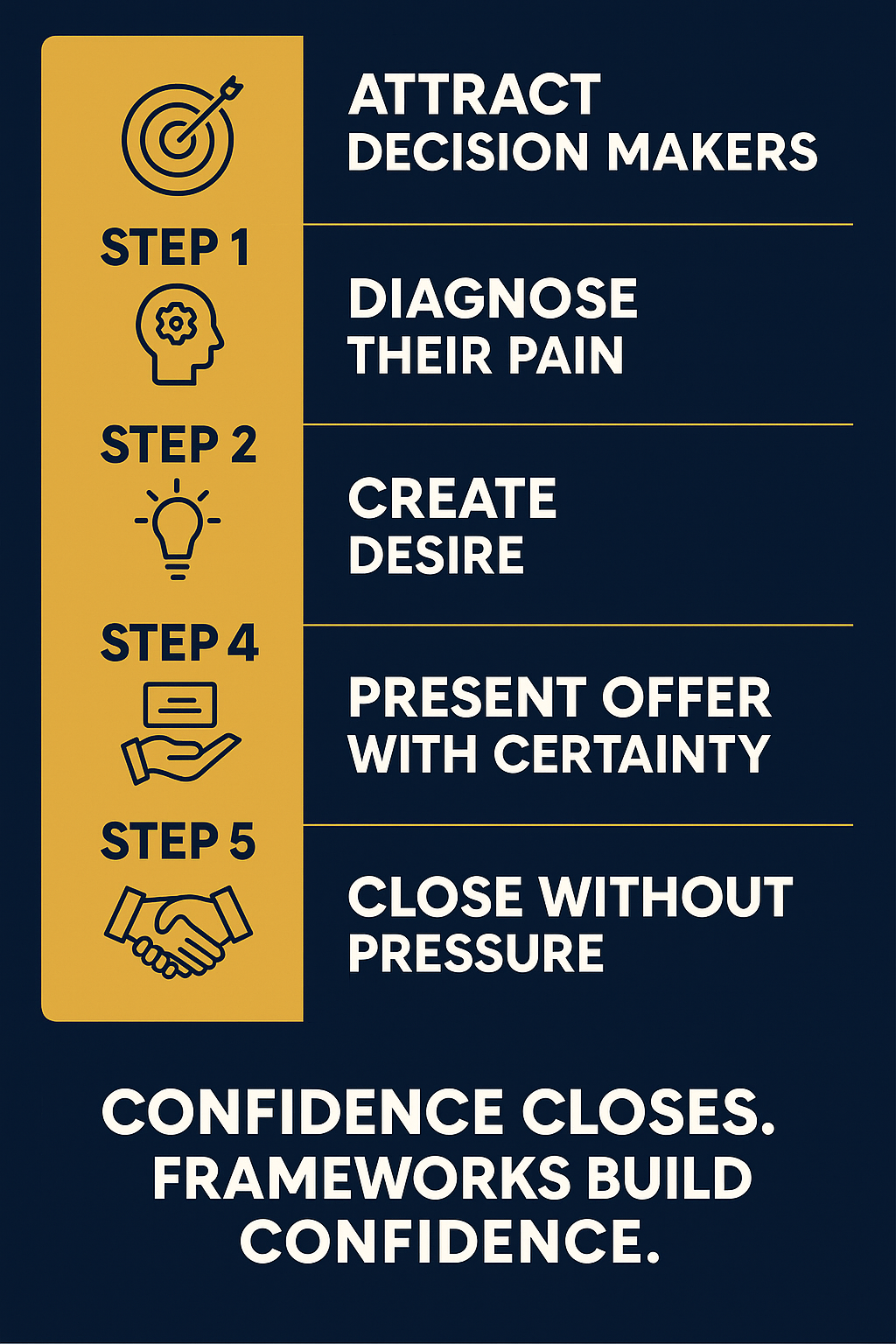
The final step is usually a call or consultation. This is where the actual sale happens. During this conversation, you identify whether the prospect is a good fit and then present your offer as a solution. This approach feels natural and professional, not aggressive.
How to Close High Ticket Sales Without Being Pushy
Closing high ticket sales is more about listening than talking. The goal isn’t to convince someone—it’s to understand their needs and help them make the right decision. When done correctly, the sale feels collaborative, not forced.
Asking the right questions is key. You want to uncover the prospect’s goals, challenges, and motivations. When they feel heard and understood, trust builds naturally, making the decision easier for them.
Transparency also matters. Be honest about pricing, expectations, and results. High ticket buyers respect honesty and professionalism. When you clearly explain the value and outcomes, price becomes a secondary concern rather than the main obstacle.
Common Mistakes People Make in High Ticket Sales
One common mistake is trying to sell high ticket offers to the wrong audience. Not everyone is ready or able to invest at a premium level. That’s why qualification is so important—it saves time and energy on both sides.
Another mistake is focusing too much on features instead of results. High ticket buyers care more about outcomes than details. Listing modules or tools won’t close the sale unless you connect them to real transformation.
Finally, many people underprice themselves due to fear or lack of confidence. High ticket sales require belief in your own value. If you don’t fully trust your offer, your prospects will sense it. Confidence, backed by real expertise, makes all the difference.
Scaling a Business with High Ticket Sales
Once your high ticket system is working, scaling becomes much simpler. You don’t need massive traffic or huge teams to grow. A small number of qualified leads can generate significant revenue consistently.
Systems and processes play a big role at this stage. Automating parts of your funnel, onboarding, and follow-up allows you to handle more clients without sacrificing quality. This keeps your business efficient and sustainable.
As your reputation grows, high ticket sales become even easier. Referrals, repeat clients, and word-of-mouth marketing start working in your favor. Over time, you shift from chasing sales to attracting premium clients naturally.
Final Thoughts on High Ticket Sales
High ticket sales are not just a pricing strategy—they’re a mindset shift. They require confidence, clarity, and a deep understanding of your audience. When done right, they create win-win situations for both the seller and the buyer.
This model allows you to work smarter, not harder. Instead of burning out with low margins and high volume, you focus on delivering real value to fewer people at a higher level. The result is more income, more impact, and more freedom.
If you’re serious about building a sustainable, profitable business, learning high ticket sales is one of the smartest moves you can make. Master the value, trust the process, and position yourself as the premium solution your audience is already looking for.