From Weddings to Galas: The Ultimate Guide to Choosing Paper Stocks for Custom Invitations

Introduction
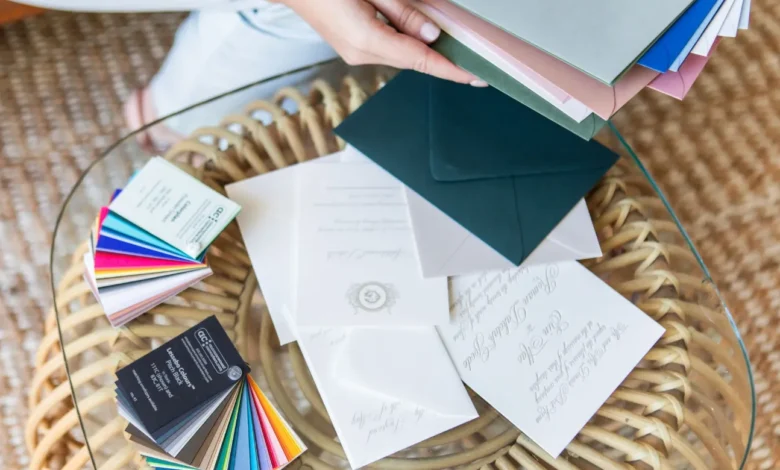
When it comes to hosting an event, whether it is a wedding, gala, or corporate function, first impressions are crucial. One of the most significant elements that set the tone for your occasion is the invitation itself. A well-designed invitation not only communicates essential details but also reflects the style and theme of your event. Central to crafting the perfect invitation is selecting the right paper stock, which can greatly influence aesthetics and feel.
Navigating the myriad of options available can be overwhelming for many. This guide will provide a thorough exploration of factors influencing paper stock choices, ensuring that you make informed decisions that elevate your invitations from ordinary to extraordinary.
Understanding Paper Stock Types
The first step in choosing paper stocks involves understanding the various types available in the market. Each type serves different purposes and styles, catering to diverse aesthetics and budgets.
1. Cardstock: Heavy and sturdy, cardstock is ideal for formal invitations like weddings and galas.
2. Text Paper: Lighter than cardstock, this paper is often used for casual events or RSVP cards.
3. Specialty Paper: This category includes unique materials like metallic, textured, or recycled papers that add a distinctive touch.
4. Vellum: Semi-transparent and elegant, vellum provides a sophisticated overlay option for layered invitations.
Choosing the right type depends on the event’s formality and personal preference.
The Weight of Paper: GSM Explained
Understanding paper weight is essential when selecting paper stocks for invitations. The weight is measured in grams per square meter (GSM), indicating how heavy or light a sheet of paper is.
1. Lightweight (80-120 GSM): Suitable for casual invitations or flyers.
2. Medium weight (130-250 GSM): Often used for standard card invitations, balancing durability with flexibility.
3. Heavyweight (250+ GSM): Ideal for high-end events where a luxurious feel is desired, such as weddings.
For formal events like galas, choosing a heavier paper stock can convey sophistication and elegance.
Texture Matters: Choosing the Right Finish
The texture of your paper can significantly impact the overall look and feel of your invitation. Different finishes provide varying tactile experiences:
1. Smooth Finish: Offers a clean look perfect for minimalistic designs and easy printing.
2. Textured Finish: Includes options like linen or felt; these add depth and interest to the invitation.
3. Matte Finish: Provides an elegant look with subdued colors; it can also be easier to write on if you plan to include handwritten elements.
4. Glossy Finish: Enhances colors but may reflect light; best suited for vibrant designs.
Each finish creates a different visual impact, so consider the overall theme when making your selection.
Color Options: Beyond White
While traditional invitations often stick to white or cream paper, modern designs embrace a spectrum of colors that can enhance thematic presentations:
1. Pastel Shades: Soft colors work beautifully for spring weddings or garden parties.
2. Bold Hues: Rich colors like navy or burgundy can add drama and elegance.
3. Metallics: Gold or silver paper stocks can elevate formal invitations.
4. Custom Colors: Many printing services offer custom color matching to ensure your invitations align with your event’s palette.
Experimenting with color can set your invitation apart from others while reflecting your personal style.
Eco-Friendly Choices in Paper Stocks
In an age where sustainability matters more than ever, many hosts seek eco-friendly options for their invitations without compromising quality:
1. Recycled Paper: Made from post-consumer waste, this option helps reduce environmental impact while offering quality.
2. Tree-Free Alternatives: Papers made from materials like bamboo or hemp are becoming increasingly popular.
3. Biodegradable Inks: Ensure that even your printing methods are sustainable by choosing biodegradable inks.
Utilizing eco-friendly paper stocks not only supports environmental efforts but also resonates positively with guests who value sustainability.
The Importance of Print Quality
Once you’ve selected your preferred paper stock, print quality becomes vital in achieving a professional finish:
1. Digital Printing: Best for short runs; offers vibrant colors and fast turnaround times.
2. Offset Printing: Ideal for large quantities; delivers high-quality results but at higher costs.
3. Letterpress Printing: Creates an impression in the paper; perfect for luxurious and tactile invitations but can be more expensive due to setup costs.
Opting for high-quality print ensures that your chosen paper stock looks its best and meets expectations.
Customization Features to Consider
Personalizing your invitations goes beyond just text—customization features can add unique details that impress guests:
1. Foil Stamping: Adds metallic elements that catch the eye.
2. Embossing/Debossing: Creates raised or recessed patterns, adding dimension.
3. Die-Cutting: Allows creative shapes beyond standard rectangles; think intricate floral outlines or playful designs.
These features enhance visual appeal and create memorable keepsakes from your event.
Brand Spotlight: Hello Print and Their Offerings
For those contemplating where to source high-quality paper stocks for custom invitations, HelloPrint emerges as a reliable choice in the industry:
1. Diverse Options: Hello Print offers a wide range of paper types including cardstock, text papers, and specialty options tailored to fit any event theme.
2. Custom Solutions: With their advanced printing techniques and customization features, you can create unique invitations that reflect your style perfectly.
3. Eco-Friendly Commitment: Hello Print provides eco-conscious choices that align with sustainable practices without sacrificing quality.
With their expertise in printing solutions, partnering with Hello Print can streamline your invitation journey while ensuring stunning results.
Frequently Asked Questions
As you embark on selecting the perfect paper stock, several common queries may arise:
1. What is the best paper weight for wedding invitations?
Generally, a weight between 250-300 GSM is recommended for wedding invitations as it conveys elegance.
2. Can I customize my invitation size?
Most printing companies allow customization in size; however, check specific guidelines as some sizes may incur additional charges.
3. How do I choose between digital and offset printing?
If you require small quantities with quick turnaround times, digital printing may be best; however, offset printing yields higher quality for larger batches.
Understanding these aspects will equip you with knowledge when making decisions about your event invitations.
Selecting the right paper stock is not merely a technical choice; it plays an integral role in setting the stage for your special occasion—from weddings to galas—and creates lasting impressions long before guests arrive at the venue. Engage with providers like Hello Print to explore innovative options that will elevate your event’s initial touchpoint—the invitation itself—into something truly memorable.