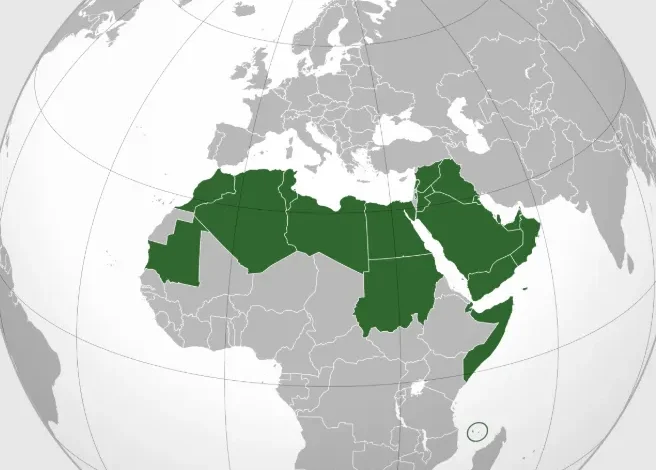
Turn on a popular Arabic drama during Ramadan and you’ll see a world many people across the region recognise instantly: crowded living rooms, overlapping conversations, family members walking in without knocking, and news or talk shows humming in the background. For decades, these series and nightly programmes on regional channels have been part of how people learn what’s acceptable, what’s changing, and what still feels off-limits.
For those who have moved away—to Europe, North America, or the Gulf—watching Arabic channels live often becomes less about following every episode and more about staying in touch with that atmosphere. The way people interrupt each other, how a disagreement is handled at the dinner table, how a presenter pushes or backs off a guest—all of it carries cultural signals that rarely show up in other languages or media spaces.
At the same time, the realities of viewers’ lives have shifted. So a natural question emerges: when these shows are watched abroad, do they still feel like they’re speaking to the lives of the people on the other side of the screen, or are they describing a world that now sits slightly to the side of everyday experience?
The World on Screen, and the One Viewers Live In
Much of Arabic television, especially long‑running dramas and talk shows, is rooted in familiar settings: extended families, closely knit neighbourhoods, and social structures where personal choices rarely exist in isolation. A decision about work, marriage, or money rarely belongs to a single person but to their community. In many Arab dramas, a career choice or engagement is immediately pulled into a wider circle of parents, siblings, cousins, and even neighbours; doors are open, advice is unsolicited, and everyone has a stake in the outcome.
Within that context, these stories feel grounded. For viewers living abroad, the backdrop changes. Daily life often feels more individual and more fragmented. A storyline that feels completely natural in Cairo, Beirut, Riyadh, or Casablanca can seem slightly distant in Paris or Toronto—not because it’s untrue, but because it rests on different assumptions about how people live together.
Familiar Themes, Different Pressures
Themes such as responsibility, reputation, and generational expectations remain central to many Arabic TV narratives. They are part of the lived experience for a lot of viewers, whether they are in the region or abroad.
Outside the region, though, those pressures are often negotiated through different systems. A decision that might carry strong social consequences “back home” – choosing a partner, changing jobs, moving city – can be filtered abroad through workplace policies, immigration rules, housing markets, or school environments more than through the immediate opinions of neighbours or extended family.
This is where a subtle gap opens up. The core themes still resonate, but the way they play out on screen doesn’t always match the practical steps viewers have to take in their own lives. Many people end up with a double lens: watching something that feels culturally familiar and emotionally true, while knowing that their day‑to‑day reality now follows a slightly different set of rules.
News, Talk Shows, and the Question of Perspective
The gap is often sharper with news and talk programming.
Regional news channels and talk shows have built audiences far beyond the Arab world, and their coverage travels quickly. But even the most internationally recognised networks frame stories through particular editorial priorities: what leads a bulletin, which voices are invited to speak, which details are left implied rather than spelled out.
For viewers abroad who also follow local or international media, this creates a layered experience. The same event can look and feel different depending on whether they see it first on an Arabic channel or on a local broadcaster. Over time, many people learn to read between those versions, comparing coverage rather than treating any single one as definitive.
In that sense, television doesn’t just inform; it becomes one of the tools viewers use to test and interpret what they’re seeing elsewhere.
Why the Connection Still Holds
Despite these shifts, Arabic television continues to matter for audiences outside the region.
Language is part of it. So is rhythm: the pace of conversations, the way jokes land, the pauses in an argument, the structure of a family scene. These details create a sense of home that sits underneath whatever the plot happens to be.
Family dynamics, questions of right and wrong, and the constant negotiation between individual wishes and collective expectations remain easy to read.
That’s also where on‑demand platforms come in. Services like UVOtv, which highlight international and diaspora stories, can sit alongside live Arabic channels: the broadcast news or drama keeps viewers close to how things are talked about “back home,” while curated films and series offer space to explore how those same themes play out in new cities and contexts.