Aztec names are more than just labels—they’re pieces of living history. Each name carries a story, a belief, or a connection to nature, the gods, or the warrior culture of the Nahua-speaking people. Today, these names continue to inspire parents, writers, and anyone fascinated by ancient Mesoamerican traditions. In this article, we’ll dive deep into the meaning behind Aztec names, the cultural roots that shaped them, and some of the most powerful examples that still resonate centuries later.
Understanding the Origins of Aztec Names

Aztec names didn’t appear randomly; they emerged from a rich tapestry of language, myth, and identity. Most Aztec names come from Classical Nahuatl, the language spoken by the Mexica people who dominated central Mexico before the Spanish conquest. Nahuatl was a poetic and symbolic language, so names often combined nature, animals, gods, or profound concepts. This linguistic depth allowed Aztec names to serve as both identifiers and meaningful expressions of values.
Another key aspect of Aztec naming traditions is that names often reflected expectations for a child. Parents chose names that represented traits they hoped their child would grow into—like bravery, beauty, or wisdom. Many names symbolized elements of the natural world—like flowers, jaguars, or the sun—because the Aztecs believed nature was intertwined with spiritual energy. As a result, a name was not just spoken; it was lived.
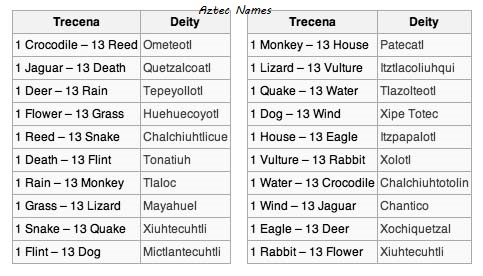
Finally, the timing of birth sometimes influenced a child’s name. The Aztecs used two calendars, one solar and one ritualistic, and both played a role in shaping a child’s identity. Birth dates were connected to deities, forces, and sometimes even destinies. Because of this, Aztec names felt deeply personal and spiritually significant, creating a strong link between the individual and the cosmos.
How Symbolism Shaped Aztec Names
Symbolism is at the very heart of Aztec naming culture. Just about every name had a meaning that tied back to a legend, a natural phenomenon, or a philosophical idea. The Mexica people believed that names could influence character, so they often chose symbolic concepts that reflected strength, intelligence, or divine protection. For example, a child named after a jaguar was expected to embody courage and leadership.
Animals played a huge symbolic role in Aztec society. The jaguar, eagle, and serpent were among the most revered creatures, appearing in names as well as royal titles, warrior ranks, and religious rituals. Giving a child a name connected to a sacred animal wasn’t just an aesthetic choice—it was an honor and a responsibility. These names carried weight, reminding individuals of the qualities their community valued.
Beyond animals, the Aztecs also drew inspiration from the natural environment. Flowers, stones, water, and celestial bodies were common components of names, reflecting the Mexica belief that the world was a balance of physical and spiritual forces. Naming a child after a flower like “Xochitl” wasn’t merely pretty—it represented beauty, fragility, and divine artistry. In essence, Aztec names acted as symbols that shaped a person’s path in life.
Religious and Mythological Influences
Religion played an enormous part in the creation and meaning of Aztec names. The Mexica worshipped a wide pantheon of gods, each ruling over different aspects of life, nature, and war. Many names were crafted in honor of these deities, often to invoke strength, protection, or wisdom. For instance, names inspired by Huitzilopochtli, the god of war and the sun, symbolized bravery and power.
In addition to gods, mythological stories also influenced naming traditions. Characters from Aztec legends—whether heroic, tragic, or divine—often inspired names passed down through generations. These names served as reminders of cultural teachings, moral lessons, and historical victories. They helped preserve the mythology that formed the backbone of Aztec identity.
Ceremonies also contributed to how names were assigned. Shortly after birth, families held a ritual similar to a naming ceremony, where priests and elders blessed the child and confirmed the chosen name. This practice shows just how seriously the Aztecs took identity and spirituality. Their names weren’t casual choices; they were seen as sacred commitments that connected every individual to their heritage.
Popular Aztec Names and Their Meanings
While the world of Aztec names is vast and layered, some names have become especially well known for their meanings, strength, and beauty. For example, Xochitl, meaning “flower,” is one of the most recognizable Aztec names. It’s admired for its elegance and deep association with nature, creativity, and feminine grace. Even today, it’s commonly used across Mexico and among people who appreciate indigenous heritage.
Another popular name is Cuauhtémoc, which translates to “Descending Eagle.” This name belonged to the last Aztec emperor—making it not only powerful but historically significant. Cuauhtémoc symbolizes bravery, leadership, and honor. Anyone carrying this name carries a piece of history that speaks to resilience and loyalty, even in adversity.
Names like Itzel, meaning “rainbow woman,” and Nezahualcoyotl, meaning “Hungry Coyote,” show how diverse Aztec naming traditions truly are. Some names evoke beauty and delicacy, while others reflect strength, poetry, or wild nature. Each name is a combination of sound, meaning, and emotion—crafted in a way that makes it unique, memorable, and deeply expressive.
Aztec Names for Boys
Aztec boy names often emphasize strength, leadership, and connection to nature or battle. One standout example is Itzcuintli, meaning “dog,” a sacred animal associated with loyalty and guidance into the afterlife. Far from a simple pet reference, this name reflected the spiritual importance of dogs in Aztec cosmology. Another strong name is Yaotl, meaning “warrior,” a bold and direct representation of courage.
A great example of an elite name is Moctezuma (often spelled Montezuma). Derived from a phrase meaning “he who frowns like a lord,” it reflects authority, seriousness, and royal status. Names like this highlight a cultural preference for strength and dominance in leadership. They also carried political significance in the Aztec hierarchy.
Many Aztec boy names are still used today because they carry timeless qualities. Names such as Ehecatl (wind), Ocelotl (jaguar), and Acatl (reed) show how nature influenced identity. These names offer a balance between power and poetic symbolism. Whether used traditionally or adapted to modern contexts, these names continue to inspire a sense of cultural pride.
Aztec Names for Girls
Aztec girl names are often associated with beauty, grace, and natural elements. The name Citlali, meaning “star,” is a shining example of that. This name reflects radiance and purity, capturing a celestial elegance that many parents still find appealing today. Another favorite is Malinalli, meaning “grass,” a symbol of resilience and renewal. It’s a subtle but meaningful name with roots in ancient cosmology.
Another beautiful choice is Chalchiuhtlicue, meaning “she of the jade skirt,” connected to the goddess of rivers and water. Though long, the name represents beauty, fertility, and fluidity. It has a lyrical, mystical quality that feels distinctly Aztec. Names like Yaocihuatl, meaning “warrior woman,” remind us that Aztec women could embody strength just as much as men.
Many girl names also refer to flowers, birds, or celestial symbols. These names carried symbolic femininity but also emphasized the roles women played in Aztec society—as healers, caretakers, artists, and leaders. Today, these names appeal to those who want something poetic and culturally rich with layers of meaning beneath the surface.
Modern Revival of Aztec Names
In recent years, Aztec names have experienced a huge revival. With more people embracing their indigenous roots or seeking unique, meaningful names, the demand for Aztec names has grown worldwide. They’re especially popular among parents looking for something culturally authentic but still distinctive. The beauty of these names is that they sound ancient yet modern at the same time.
Writers, artists, and creators also use Aztec names to give characters depth and historical context. Whether in books, games, or films, Aztec names add richness and authenticity to storytelling. Because each name carries meaning, they help shape characters’ personalities in subtle but powerful ways.
This revival isn’t just about aesthetics—it’s about cultural preservation. Many communities are working to keep Nahuatl and its naming traditions alive. By using these names, people honor the legacy of the Mexica people and ensure their history continues to influence future generations. In a world where cultural identity is more important than ever, Aztec names offer a beautiful connection to the past.
Final Thoughts
Aztec names are more than historical artifacts—they’re living symbols of a civilization rich in myth, nature, and spiritual meaning. Whether strong and warrior-like or soft and poetic, each name carries a story worth telling. These names continue to inspire people across the world, not only because of their beauty but because they represent resilience, creativity, and cultural pride. And as modern society rediscovers the power of these names, their legacy is sure to grow even stronger.