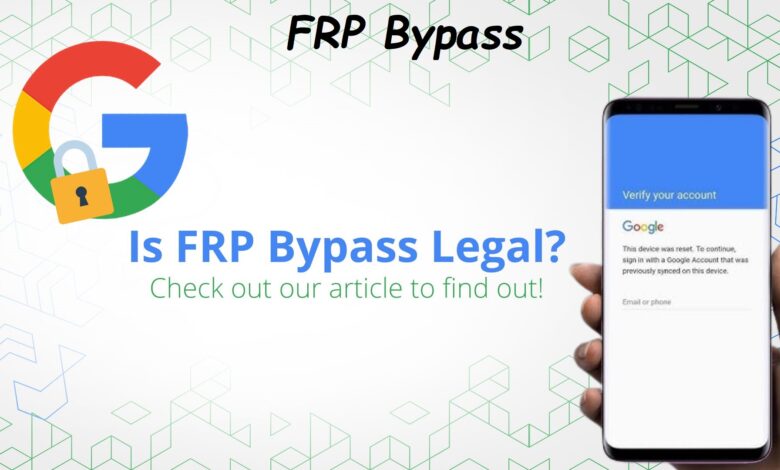
Factory Reset Protection (FRP) has become a common topic of discussion among smartphone users—especially Android owners. FRP Bypass Whether you’ve accidentally reset your phone, bought a used device, or simply got locked out, the term “FRP bypass” has likely crossed your path. But what exactly is FRP, why is it there, and what does bypassing it mean? Let’s break it down in detail, so you can understand both the technical side and the real-world implications of this security feature.
What Is FRP and Why Does It Exist?

Before diving into FRP bypass, it’s important to understand what FRP actually is. FRP Bypass stands for Factory Reset Protection, a security feature developed by Google for Android devices. It was first introduced with Android 5.1 (Lollipop) as a way to protect a user’s data if their phone was lost or stolen.
Essentially, when you sign into your Android device with a Google account, the phone automatically enables FRP. This means that if someone performs a factory reset on your phone without first removing that Google account, the device will still ask for the same account credentials after the reset. This prevents unauthorized access and ensures that even a factory reset doesn’t allow thieves to use your phone freely.
In short, FRP acts as a digital lock that ties your device to your Google account. It’s a security measure meant to deter theft and protect personal data. However, while this system is beneficial, it can also create problems for legitimate users who lose access to their own accounts.
When Does FRP Become a Problem?
FRP sounds like a great idea—and it is—but there are plenty of cases where it becomes more of a headache than a help. Imagine this scenario: you reset your Android phone to fix a performance issue, but when it restarts, it asks for the Google account that was previously synced. Maybe you’ve forgotten the password, or perhaps the account is no longer accessible. Suddenly, you’re locked out of your own device.
This issue is even more common among people who buy used or secondhand smartphones. The previous owner may have forgotten to remove their Google account before selling the phone, which triggers FRP once the new owner performs a reset. Without the old login credentials, the phone essentially becomes useless.
That’s where the idea of FRP bypass comes in. It’s a process designed to help users regain access to their device when FRP is activated—legally and responsibly, of course.
What Is FRP Bypass?
FRP bypass refers to the methods used to remove or bypass the Factory Reset Protection lock on an Android device. The goal is to gain access to the device without needing the original Google account login information.
This doesn’t necessarily mean something illegal or unethical. In many cases, FRP bypass is used by legitimate users who’ve simply forgotten their login credentials, or by technicians and authorized repair centers helping customers regain access to their phones. Still, it’s worth mentioning that FRP bypass should only be performed on devices you own or have proper authorization to unlock.
The bypass process can vary depending on the phone brand and Android version. Some involve using special software tools, while others rely on tricks that exploit certain settings or apps within the phone’s system. Regardless of the method, the objective remains the same—to disable FRP and allow full access to the device once again.
Common FRP Bypass Methods
There are numerous methods to bypass FRP, and while many are quite technical, understanding the basics helps you grasp how it works. Here are a few of the most commonly discussed approaches:
1. Using FRP Bypass Tools
There are several specialized software tools designed specifically for this purpose. These tools are often compatible with certain phone models (like Samsung, Huawei, or Xiaomi). They work by connecting your phone to a computer via USB and sending commands to reset the FRP lock. Examples include Samsung FRP Tool, Tenorshare 4uKey for Android, or iToolab UnlockGo (Android).
These tools are user-friendly and guide you through the process, but they must be used responsibly and only on devices you own.
2. Through the “TalkBack” or Settings Trick
Another popular method involves using the phone’s TalkBack accessibility feature or certain shortcuts in the device settings. Some users manage to open the browser or settings menu from the setup screen, from where they can perform steps that eventually disable FRP. This method doesn’t require external software but does demand patience and precision.
3. Using a SIM Card and PIN Trick
In some Android versions, users can insert a SIM card with a PIN lock enabled. When the setup process asks for the PIN, certain actions can trigger the ability to open other menus, which may allow the FRP to be bypassed. This method is technical but commonly discussed on Android forums.
Regardless of which approach is used, the goal remains the same: to regain access to the device in a safe and responsible way.
Legal and Ethical Considerations
Now, this is where things get serious. While FRP bypass can be a lifesaver for legitimate users, it’s also a potential security concern if misused. Using FRP bypass on a stolen or found device is illegal and unethical. The entire purpose of FRP is to deter theft and protect data, so circumventing it without proper authorization is a violation of privacy and possibly the law.
If you legitimately own the device, though, bypassing FRP to regain access is entirely acceptable. In fact, many service centers and phone repair professionals use these methods to assist customers who’ve forgotten their Google credentials. It’s crucial to ensure that you can provide proof of ownership (like a purchase receipt or IMEI verification) before performing an FRP bypass.
So, while FRP bypass isn’t inherently bad, the intent and context behind it determine whether it’s appropriate or not.
How to Avoid FRP Lock in the Future
The best way to deal with FRP is to prevent getting locked out in the first place. Here are a few simple but effective tips to avoid the frustration of FRP lock:
1. Always Remember Your Google Account Details
Keep your Google account credentials in a safe place—whether it’s a password manager or a secure note. This ensures that even after a factory reset, you can easily log back in.
2. Remove Google Account Before Resetting
If you ever plan to reset your device or sell it, make sure to remove the Google account first from the settings menu. This step automatically disables FRP before the reset.
3. Use Backup and Recovery Options
Enable recovery options in your Google account, like backup email addresses and phone numbers. These make it much easier to recover access if you forget your password.
Following these simple steps can save you from the stress of dealing with FRP bypass in the first place.
Final Thoughts: FRP Bypass in Perspective
In conclusion, FRP bypass is not just a tech trick—it’s a useful tool when used responsibly. FRP itself serves an important purpose: protecting user data and discouraging theft. But for those who rightfully own their device and are locked out due to lost credentials or secondhand purchases, bypassing FRP can be a legitimate solution.
The key takeaway is to approach FRP bypass with caution and understanding. Always ensure that you’re working within legal and ethical boundaries, and use trusted tools or professionals if you’re unsure of the process. As Android continues to evolve, so too will its security features—and understanding how they work will keep you ahead of the curve.
In the end, FRP bypass is all about balance: protecting what’s yours while responsibly regaining access when needed. It’s not just about unlocking a phone—it’s about understanding the technology that keeps your data safe.