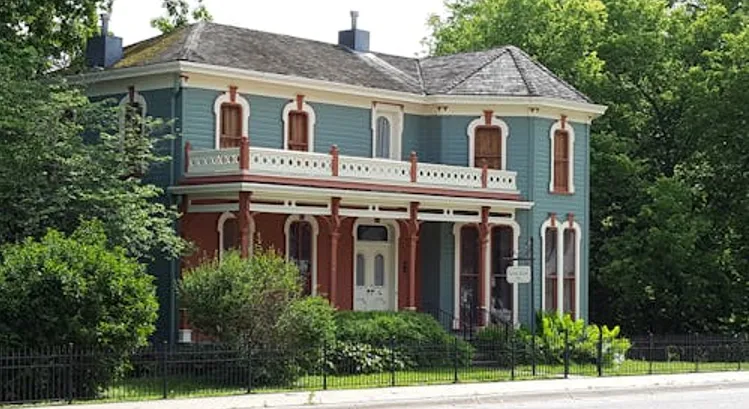
The space beneath your house plays a crucial role in maintaining the structural integrity and overall health of your home. Problems in this area often develop gradually, making them easy to overlook until they escalate into serious issues. Recognizing the early warning signs of trouble can save thousands of dollars in repairs and prevent minor concerns from becoming major structural problems. Understanding what to look for empowers proactive steps in protecting your investment. By staying vigilant and addressing issues promptly, maintaining a safe and stable home for years to come becomes much more manageable.
Cracks in Walls and Ceilings Throughout Your Home
When cracks appear in interior walls or ceilings, this often signals movement or instability in the structure below the living space. Small hairline cracks may seem insignificant, but they frequently indicate shifting or settling that originates from beneath the home. Paying particular attention to cracks that appear suddenly, grow wider over time, or form diagonal patterns across walls is essential. Horizontal cracks or stair-step patterns in brick or block walls deserve immediate attention, as these typically suggest serious structural movement. The appearance of cracks near door frames and windows also warrants concern, especially if doors and windows begin sticking or failing to close properly. These visible signs above ground often reflect invisible problems occurring in the crawl space or beneath the foundation.
Floors That Feel Uneven or Bouncy When You Walk
The condition of floors provides valuable insight into what may be happening beneath the house. If certain areas of the floor feel spongy, sag, or bounce excessively when walking across them, support structures below may be compromised. Uneven floors that slope toward one area of a room suggest settling or foundation movement that requires professional evaluation. Gaps developing between the floor and baseboards might become noticeable, or furniture may no longer sit level on surfaces that were once flat. Rolling objects like marbles or balls may consistently move toward specific areas, revealing slopes invisible to the naked eye. These symptoms often indicate deteriorating floor joists, damaged support beams, or foundation settlement that affects the stability of the entire home.
Persistent Moisture Problems and Musty Odors
Excess moisture beneath the house creates an environment where serious problems can flourish rapidly. If persistent musty or earthy odors are detected in the home, especially in lower levels or near floor vents, moisture accumulation below may be the culprit. Standing water or consistently damp soil in crawl spaces promotes wood rot, encourages pest infestations, and creates ideal conditions for mold growth that can affect indoor air quality. Increased humidity levels inside the home, condensation on windows, or a general feeling of dampness even during dry weather may become apparent. Wood components beneath the house can deteriorate quickly when exposed to ongoing moisture, compromising their load-bearing capacity. According to the Environmental Protection Agency, moisture control is essential for preventing indoor air quality problems and structural damage in homes. Addressing moisture issues promptly protects both health and the home’s structural components.
Doors and Windows That No Longer Function Properly
Changes in how doors and windows operate often reflect movement occurring beneath the house. When doors that once closed easily suddenly stick, refuse to latch, or show gaps around the frame, structural shifting may be the underlying cause. Windows that become difficult to open or close, or fail to stay open without support, similarly suggest movement in the frame of the home. Exterior doors may no longer align properly with their frames, allowing drafts to enter around the edges. Interior doors might swing open or closed on their own, indicating floors are no longer level. When addressing these structural symptoms, homeowners often need foundation repair professionals in Charlotte NC who can assess the extent of movement and stabilize the underlying issues. These operational issues typically worsen over time as the underlying structural problems progress, making early intervention essential for preventing more extensive damage.
Visible Gaps and Separation Around Your Home’s Exterior
The exterior of the home can reveal important clues about conditions beneath the structure. Gaps developing between exterior walls and the ground, porch steps pulling away from the house, or chimneys leaning or separating from the main structure all indicate potential foundation problems. Examining the perimeter of the home regularly for cracks in concrete slabs, driveways, or walkways adjacent to the structure is important. Brick or stone veneer that shows bulging, cracking, or separation from the main wall structure suggests movement beneath the surface. Windows and doors on exterior walls may show gaps or cracks in the surrounding trim and siding. These exterior warning signs often progress alongside interior symptoms, providing multiple opportunities to identify problems before they cause catastrophic failure.
Conclusion
The warning signs of trouble beneath the house rarely appear in isolation, and recognizing them early makes the difference between simple repairs and costly reconstruction projects. Regular inspections of the home’s interior and exterior help catch developing problems before they compromise safety or require extensive intervention. When any combination of these warning signs are noticed, consulting with qualified professionals ensures accurate diagnosis and appropriate solutions. Taking action promptly protects the investment and maintains the structural integrity that keeps the home safe and functional. Staying informed about these warning signs empowers proactive homeownership that addresses problems efficiently and effectively.